Last updated November 21, 2026
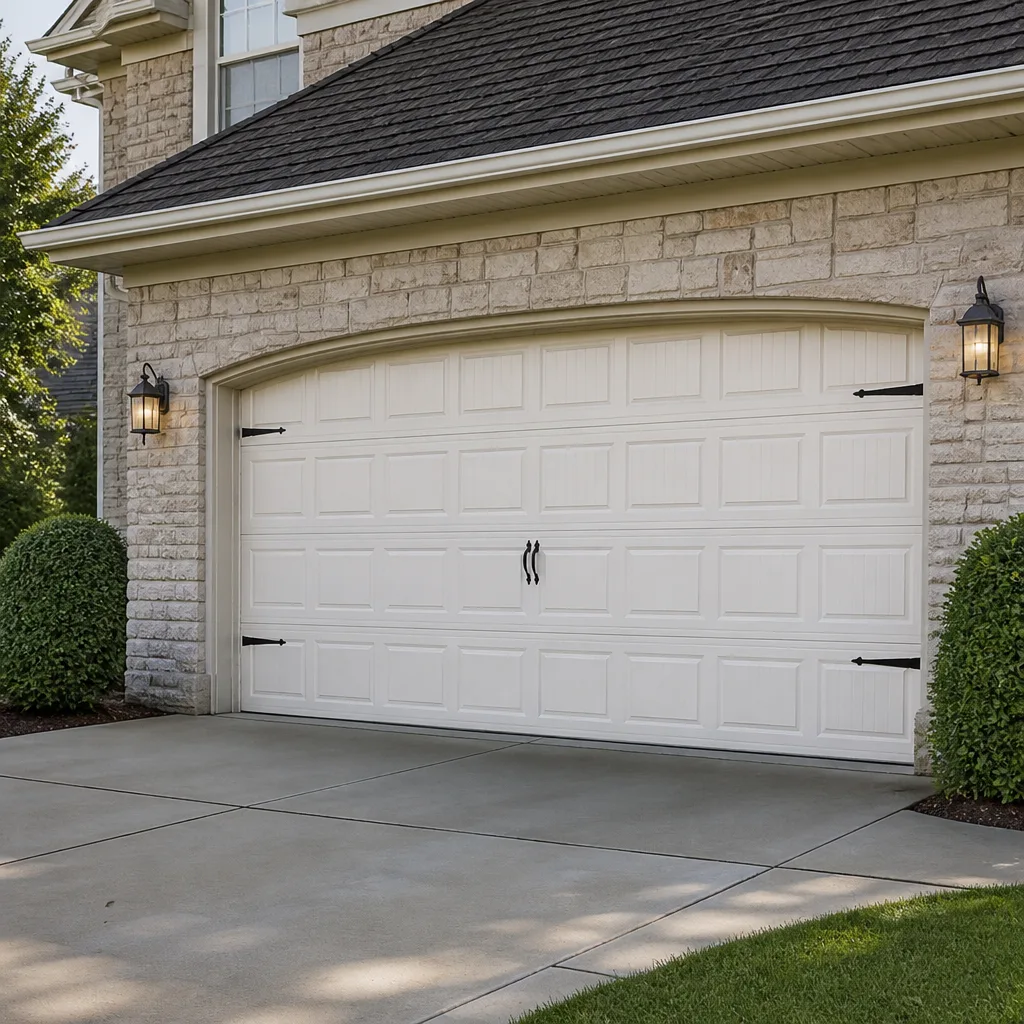 Raised-panel steel
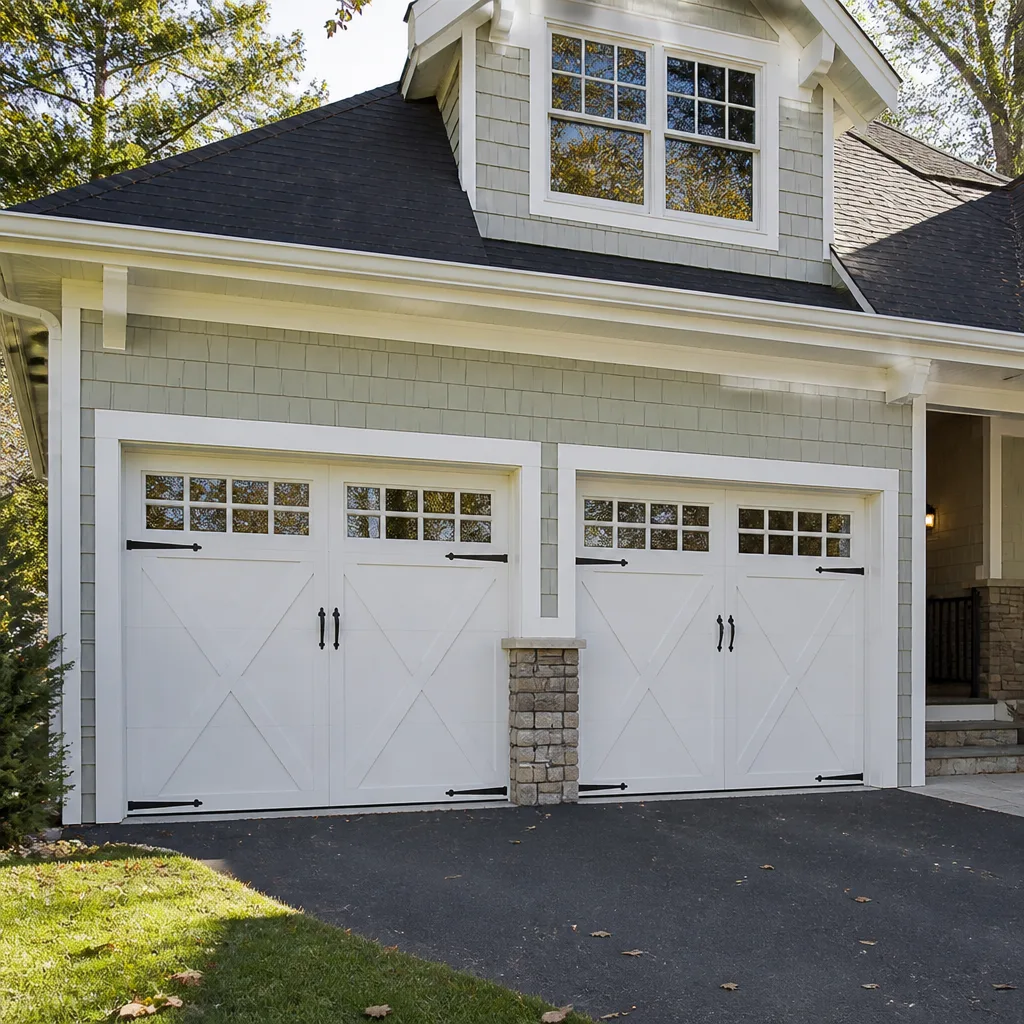 Carriage house
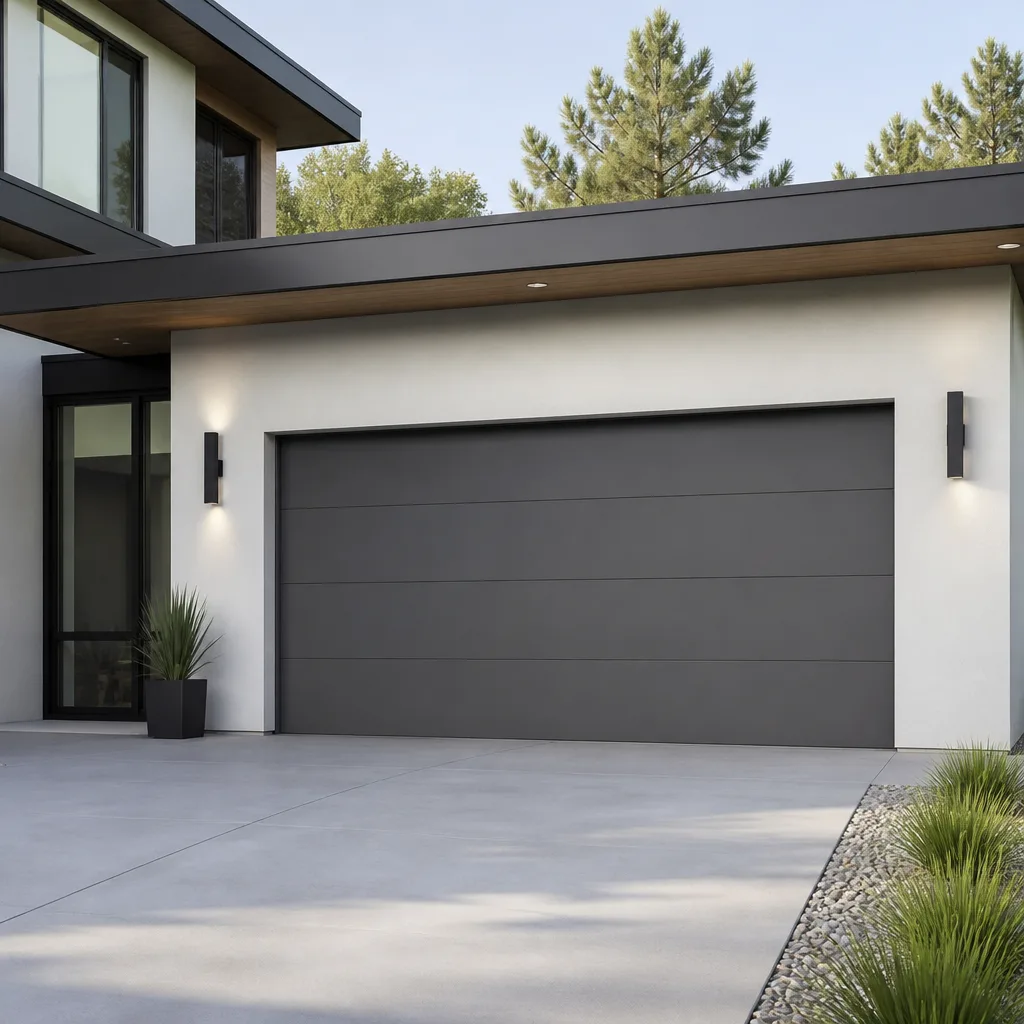 Modern flush
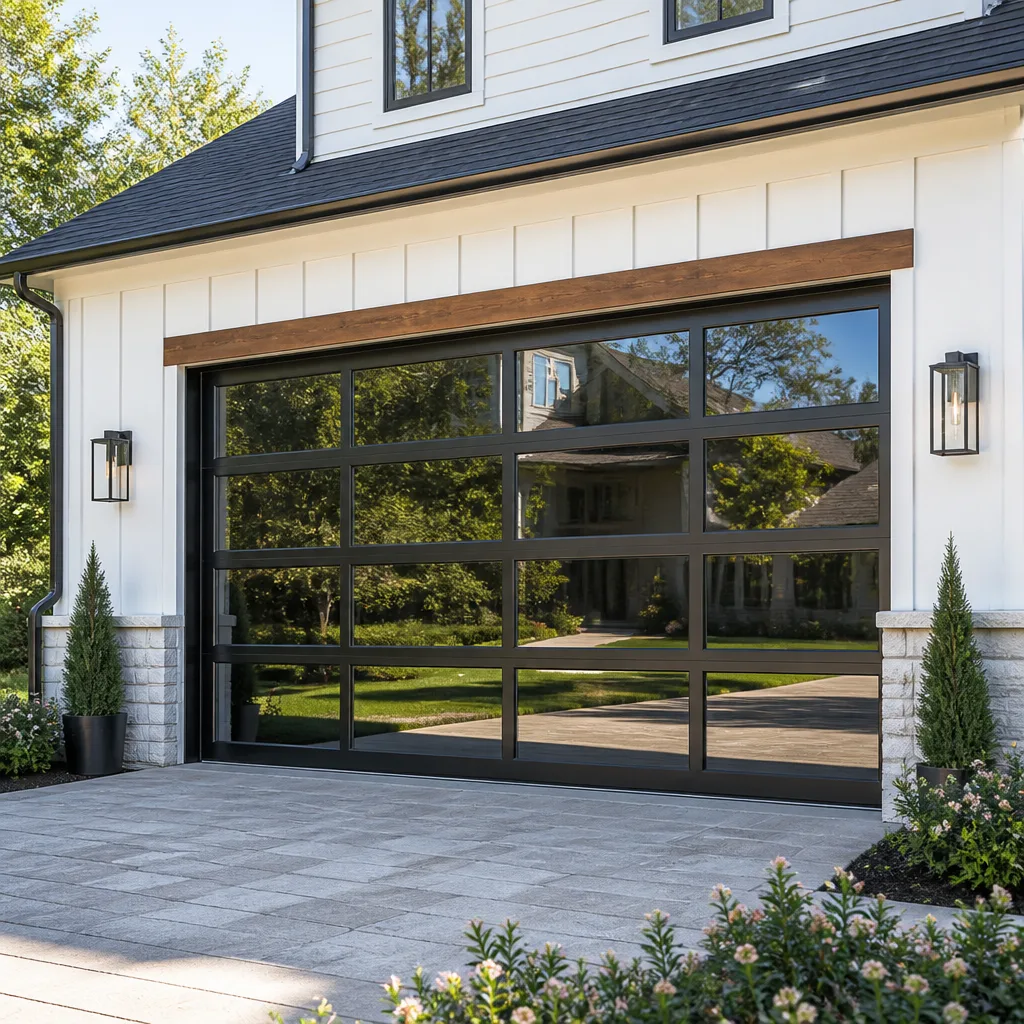 Full-view glass
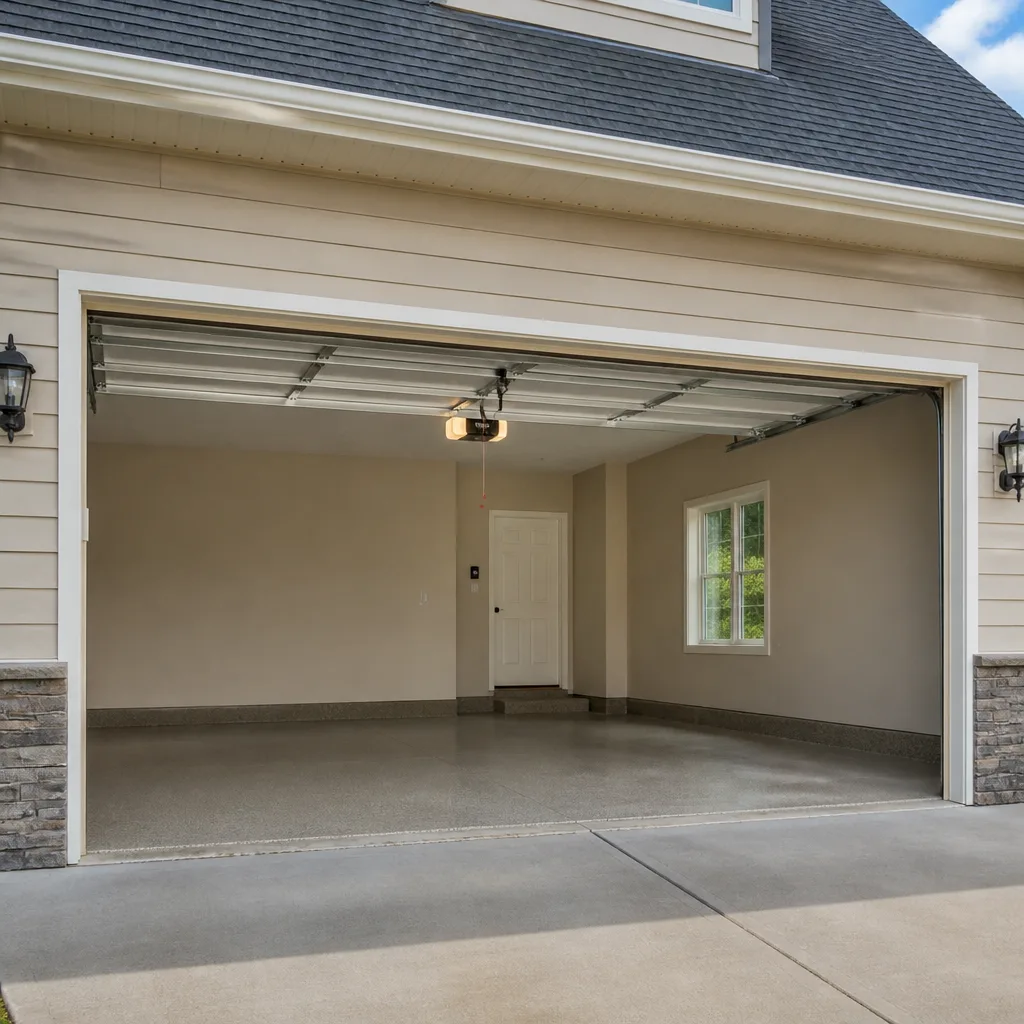 LiftMaster openers
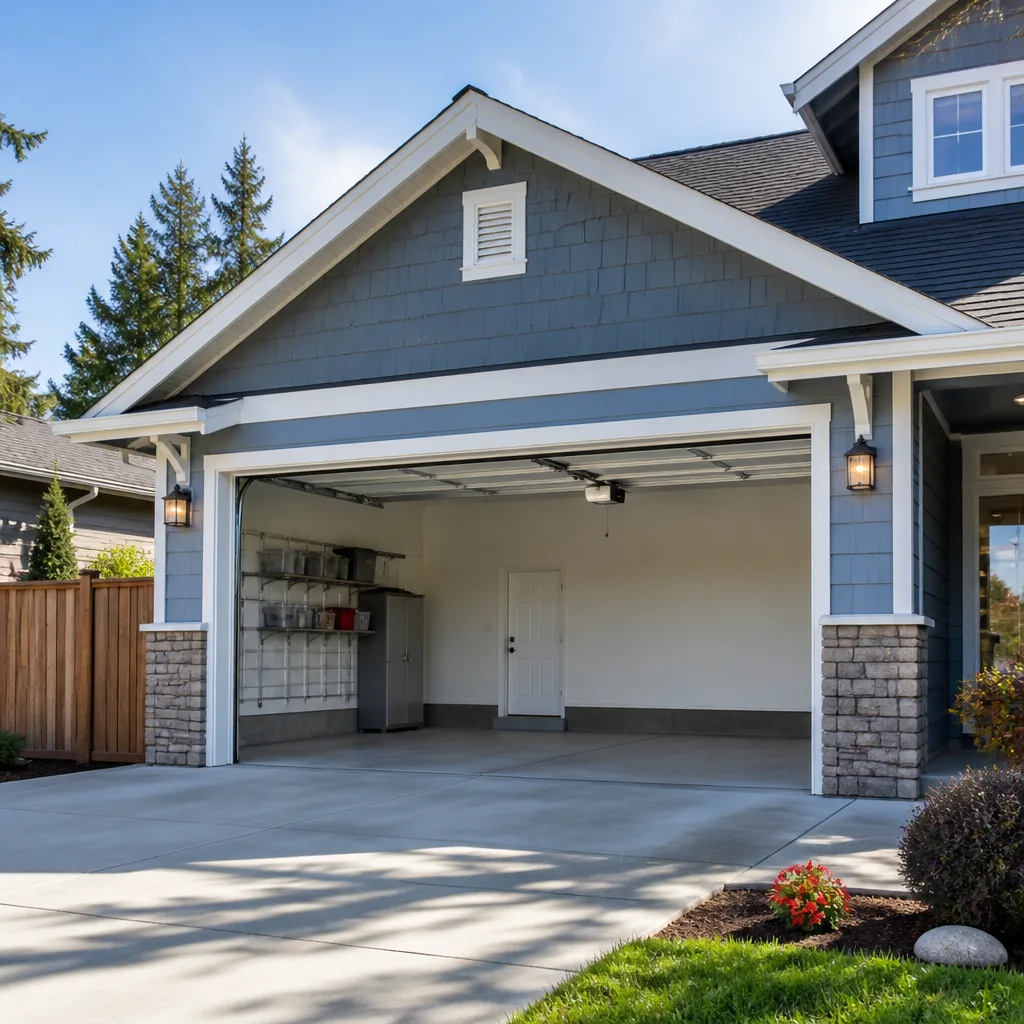 Chamberlain openers
Full 25-point door and opener safety check with every visit - springs, cables, rollers, tracks, and your LiftMaster or Chamberlain opener included
You get a price before we start. It does not change when the pro arrives.
Get your free estimateChoosing the Right Garage Door Brand: A Buyer’s Guide for Pearland
Most garage door brand comparisons are written as if every homeowner lives in the same climate. They rank manufacturers by national reputation and price tier, then send you off to pick a color. That approach falls apart in Pearland. A door that holds up beautifully in a dry, cold-winter market can look tired after a few summers of Gulf humidity, and the warranty language that seemed generous at purchase may not cover the finish problems you actually experience. Steel gauge, coating system, and weatherstripping matter more here than the spec sheet headline. This guide explains how the leading brands really perform in Pearland conditions, how to read warranty coverage with clear eyes, which insulation ratings are worth paying for, and how your door brand affects opener compatibility and HOA approval. You’ll finish knowing what to ask before you sign.
Quick Answer
For most Pearland homes, the right garage door brand is the one whose steel gauge, coating system, and warranty terms match a hot, humid climate rather than a cold one. Clopay and Amarr offer the widest certified color and style ranges for HOA compliance, Wayne Dalton is a common choice for its diverse material options, and Genie pairs well with many opener setups. Focus on corrosion-resistant finishes, a moderate insulation R-value, and a written warranty that clearly covers finish and hardware, not just structural failure.
Styles & brands we work with
- Raised-panel steel
- Carriage house
- Modern flush
- Full-view glass
- LiftMaster openers
- Chamberlain openers
Table of Contents
- Why Pearland’s Climate Changes the Brand Question
- Corrosion Resistance and Warranty Coverage: What to Actually Compare
- Insulation R-Value in Pearland: What Pays Back and What’s Overkill
- Steel Gauge and Finish Coating: The Specs That Matter Here
- HOA Compliance by Brand: Getting Your Color and Style Approved
- Opener Brand Pairing and Smart-Home Integration
- A Step-by-Step Way to Evaluate Any Brand
- Brand Fluency and Repair: Why It Matters After Installation
Why Pearland’s Climate Changes the Brand Question
Pearland sits in a stretch of Southeast Texas where sustained heat and heavy humidity are the two forces that age a garage door fastest. Summer afternoons push the steel surface temperature well above air temperature, and that constant expansion and contraction works on every seam, hinge, and weatherseal. Humidity does the slower damage, creeping into the bottom section, the panel edges, and any fastener where the factory coating is thin. A brand engineered for a cold, dry market optimizes for different problems: snow load, freeze resistance, thermal cycling across a wide range. Those aren’t your problems.
What this means in practice is that the national reputation of a brand tells you less than its finish system and its warranty fine print. A door rated highly in a mountain market may use a coating designed for abrasion from ice and road grit, not for standing moisture. Two doors at the same price can have very different long-term outcomes in Pearland.
- Heat exposure stresses the finish and the adhesive holding insulated panels together.
- Humidity finds every scratch and thin edge, which is where corrosion starts.
- Sun load on a west- or south-facing door fades cheap finishes faster than the spec sheet suggests.
- Weatherseals harden and crack sooner in sustained heat, letting moisture reach the door’s bottom edge.
In our experience across Pearland, the doors that age best are rarely the most expensive. They’re the ones whose coating system and seal quality were chosen for a humid climate, installed correctly, and maintained. Brand matters, but brand plus the right model within that brand matters more.
Corrosion Resistance and Warranty Coverage: What to Actually Compare
Corrosion resistance comes down to three things: the steel itself, the pretreatment, and the finish coat. A quality door uses galvanized steel with a proper pretreatment wash before the finish is baked on. Cheaper doors skip steps, and those shortcuts show up first at the panel edges and the bottom section, exactly where moisture collects. When you compare Clopay, Amarr, and Wayne Dalton side by side, ask each dealer what the steel substrate is, how many finish coats the door gets, and whether the coating wraps the cut edges or stops at the face.
Warranty is where buyers get surprised. A “limited lifetime” label can mean very different things from one manufacturer to the next. Read the exclusions before you assume corrosion is covered.
- What’s covered: structural failure, panel delamination, sometimes the finish itself on premium lines.
- What’s often excluded: surface rust and cosmetic corrosion, which is the most common issue in a humid climate.
- Who pays labor: many warranties cover the part but not the installation labor to replace it.
- Proration: some finish warranties shrink in coverage over the years.
- Transferability: a warranty that transfers to a new owner adds resale value in Pearland’s market.
Our advice: ask for the written warranty document, not the brochure summary, and read the section on finish and hardware. If corrosion from normal humidity is excluded, budget for periodic touch-up and expect the door to need attention sooner. A brand whose warranty explicitly addresses finish degradation in humid conditions is signaling confidence in its coating system, and that’s the kind of fine print worth paying attention to.
Insulation R-Value in Pearland: What Pays Back and What’s Overkill
Insulation is the most oversold feature on a garage door in a hot climate. In a cold market, a high R-value door keeps heat in. In Pearland, the calculation flips: you’re trying to keep heat out of an attached garage so it doesn’t bleed into the house through the shared wall. That matters, but only up to a point. The marketing push toward very high R-values is built for cold climates and rarely pays back in cooling savings here.
What actually pays back in Pearland is a moderate R-value combined with a tight seal. An insulated door in the R-6 to R-10 range handles most attached garages well. The air sealing around the perimeter and the bottom seal often matters more than the panel R-value, because gaps let hot, humid air in regardless of how well the panels insulate.
- Detached or unconditioned garage: insulation is mostly about noise and door rigidity, not energy savings. A lower R-value is fine.
- Attached garage with a room above or beside it: moderate insulation helps, and sealing is essential.
- Garage used as living or workout space: higher insulation earns its keep, but sealing still comes first.
- Marketing overkill: very high R-values cost more and deliver diminishing returns in a cooling-dominated climate.
Ask your installer how the door seals, not just how it insulates. In Pearland, a well-sealed moderate door outperforms a poorly sealed high-R door every summer.
Steel Gauge and Finish Coating: The Specs That Matter Here
Steel gauge is where climate-specific advice gets confused. In cold markets, heavier gauge is prized for snow load and rigidity. In Pearland, we don’t have snow load, so the spec that matters shifts to finish quality and edge protection. A 24- or 25-gauge door with a strong, fully wrapped coating will usually outlast a 27-gauge door with a thin finish in this humidity. Gauge affects rigidity and dent resistance, but coating dictates how the door ages.
- Check the substrate. Galvanized steel resists rust far better than cold-rolled. Ask what the panels are made from.
- Ask about pretreatment. A proper wash and conversion coating before painting is what makes the finish bond.
- Count the finish coats. Multiple baked-on coats with a topcoat outperform a single thin layer.
- Look at the edges. Coating that wraps cut edges and seams protects where moisture starts. Exposed bare edges are the first place to rust.
- Inspect the bottom section. It takes the most moisture. A reinforced bottom with good coating is worth paying for.
- Match hardware finish. Hinges, rollers, and fasteners should be corrosion-rated too, since rust often starts at the hardware.
Brands differ here. Clopay and Amarr both offer multiple finish tiers within their lines, and the tier you choose matters as much as the brand name. Wayne Dalton’s material range, including steel and alternative materials, gives buyers options that sidestep the corrosion question entirely on some models.
HOA Compliance by Brand: Getting Your Color and Style Approved
Many Pearland subdivisions have HOA rules that limit door color, panel style, and sometimes window and hardware options. This is where brand choice and HOA requirements collide, and it’s a frequent reason a replacement gets delayed. If you pick a door and then discover the color isn’t on your HOA’s approved list, you’re reordering, and the schedule slips. The brands with the widest certified color and style ranges give you more room to satisfy both your taste and the rules.
Clopay and Amarr both offer broad color palettes and panel configurations, which makes them easier to match to a subdivision’s requirements. Many manufacturers provide color samples or chips you can submit with your HOA application, which simplifies approval. Ask for those before you commit.
- Get your HOA’s written rules first. Color, style, and hardware limits vary by subdivision, so don’t assume.
- Request color chips. A physical sample makes HOA paperwork easier and reduces rejection risk.
- Confirm the certification. Some colors are certified for specific manufacturer lines only.
- Check style limits. Raised-panel versus carriage-house style is often restricted in Pearland subdivisions.
- Keep the approval in writing. Store the HOA sign-off with your door paperwork.
Pearland has a wide mix of subdivisions, and what’s approved in one won’t be in another. Get the rules in writing, then choose a brand whose certified range covers what you need.
Opener Brand Pairing and Smart-Home Integration
The door and the opener are a system, and brand pairing affects how well they work together over time. A door’s weight and balance, along with its safety features, determine which opener is appropriate. A heavy, insulated door needs an opener rated for it. A lightweight door may pair fine with a standard unit. The brand of the door doesn’t lock you into the same brand of opener, but matching smart-home features across brands makes life easier.
LiftMaster and Chamberlain openers pair naturally with many doors and offer strong smart-home integration through their apps. Genie openers work well with a variety of door brands and have their own connectivity options. When the opener is already in place, we check compatibility before recommending a new door, because a door at the edge of the opener’s capacity will strain it.
- Confirm weight and balance. The opener must be rated for the door’s operating weight.
- Check safety features. Photo-eye sensors and auto-reverse must work with the new door setup.
- Match connectivity. App controls, timers, and smart-home hubs should work together, not fight each other.
- Consider battery backup. A door that won’t open without power is a security concern, and the opener needs a backup.
- Ask who services what. When door and opener come from different brands, know which one your technician is trained on before you buy.
If your opener is failing, matching brands isn’t the only path. We work on garage door opener repair across major smart and traditional opener platforms, so you don’t have to replace everything at once.
A Step-by-Step Way to Evaluate Any Brand
Rather than memorizing brand names, use a repeatable process. It works whether you’re comparing Clopay, Amarr, Wayne Dalton, or any other line. The goal is to compare doors on the factors that actually matter in Pearland, not on marketing headlines.
- Define your must-haves. Color, panel style, window options, and HOA limits come first.
- Read the written warranty. Focus on finish and corrosion exclusions, labor coverage, and transferability.
- Ask about the coating system. Substrate, pretreatment, number of coats, and edge protection.
- Check the insulation rating against your actual use. Attached versus detached, and how the garage is used.
- Confirm opener compatibility. Weight rating, safety features, and smart-home connectivity.
- Get three written estimates. Compare the same door model and options, not the headline price.
- Ask who will service it. Confirm the installing pro handles repairs on that brand, so you’re not left searching later.
This process takes an hour and can save you a season of frustration. The written estimate should be the price you pay, quoted and agreed before any work begins.
Brand Fluency and Repair: Why It Matters After Installation
Brand choice doesn’t stop mattering once the door is up. When a door needs service, a technician who knows that brand’s specific designs, hardware, and opener pairings diagnoses faster and fixes the right problem. A generalist may default to a generic fix that doesn’t address a brand-specific issue. We work on the eight most widely installed residential brands: LiftMaster, Chamberlain, Genie, Clopay, Amarr, Wayne Dalton, Craftsman, and Raynor. That fluency means we approach each door as its own system rather than slapping on a one-size part.
Our technicians have up to 10 years of experience, and garage doors are the only trade we work in. That focus shows up in how we diagnose a failing door and how we recommend a replacement that fits your opener, your HOA, and Pearland’s climate.
- Brand-specific diagnosis saves time and avoids returned parts.
- Spring, opener, and door expertise under one roof means you don’t source a second contractor.
- Emergency service is a core part of what we do, not an afterthought, for doors that are stuck open or stuck closed.
- Full installation capability means a single point of contact from repair to replacement.
You can read more about our full scope on the Pearland Garage Door Repair Pros page, where our service range is laid out clearly.
Common Mistakes to Avoid
- Buying on national reputation alone. A brand that shines in a cold market may underperform in Pearland’s humidity. Compare coatings and warranty, not awards.
- Assuming “limited lifetime” covers corrosion. Finish and surface rust are frequently excluded. Read the exclusions before you buy, not after.
- Overspending on R-value. Very high insulation is built for cold climates. A well-sealed moderate R-value is usually the better buy here.
- Ignoring the HOA until the door is ordered. Color and style rules vary by Pearland subdivision, and a rejection means a reorder and a delay.
- Choosing the door before checking the opener. An opener rated below the door’s weight struggles and fails early. Confirm compatibility first.
- Comparing headline prices across different models. Get three written estimates on the same door and options so the comparison is real.
- Leaving the bottom seal and edges unchecked. Moisture starts at the bottom section. Small maintenance there prevents bigger problems later.
For a closer look at repair and replacement across Pearland, our garage door repair page explains how common problems are diagnosed and fixed.
See the difference
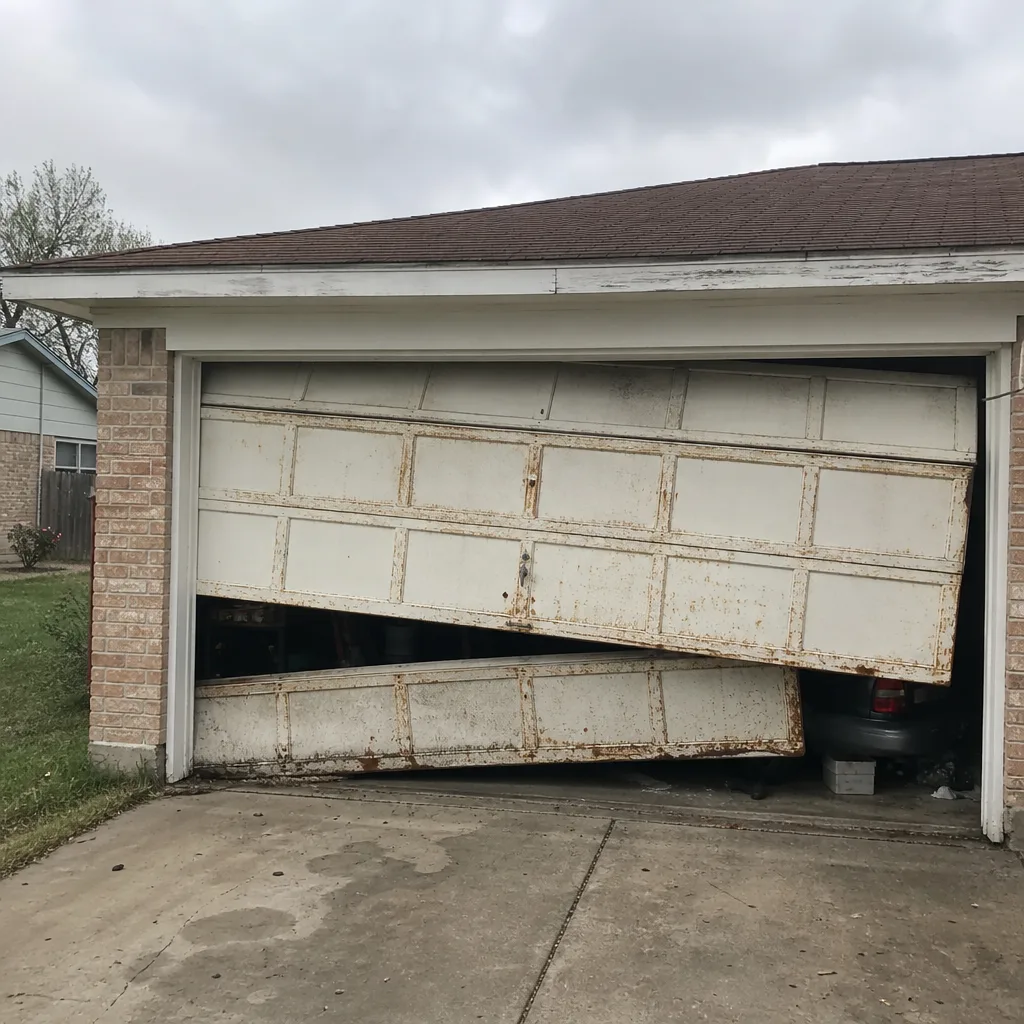 Before
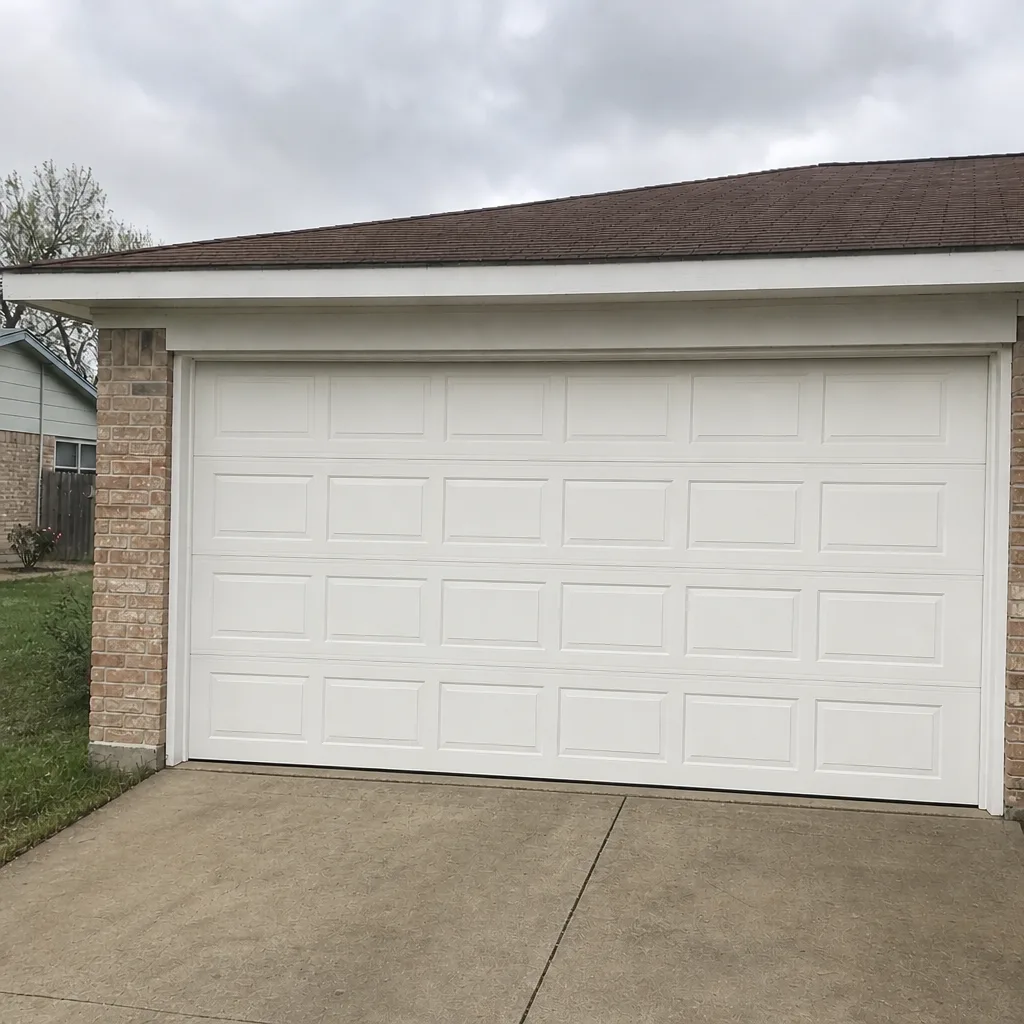 After
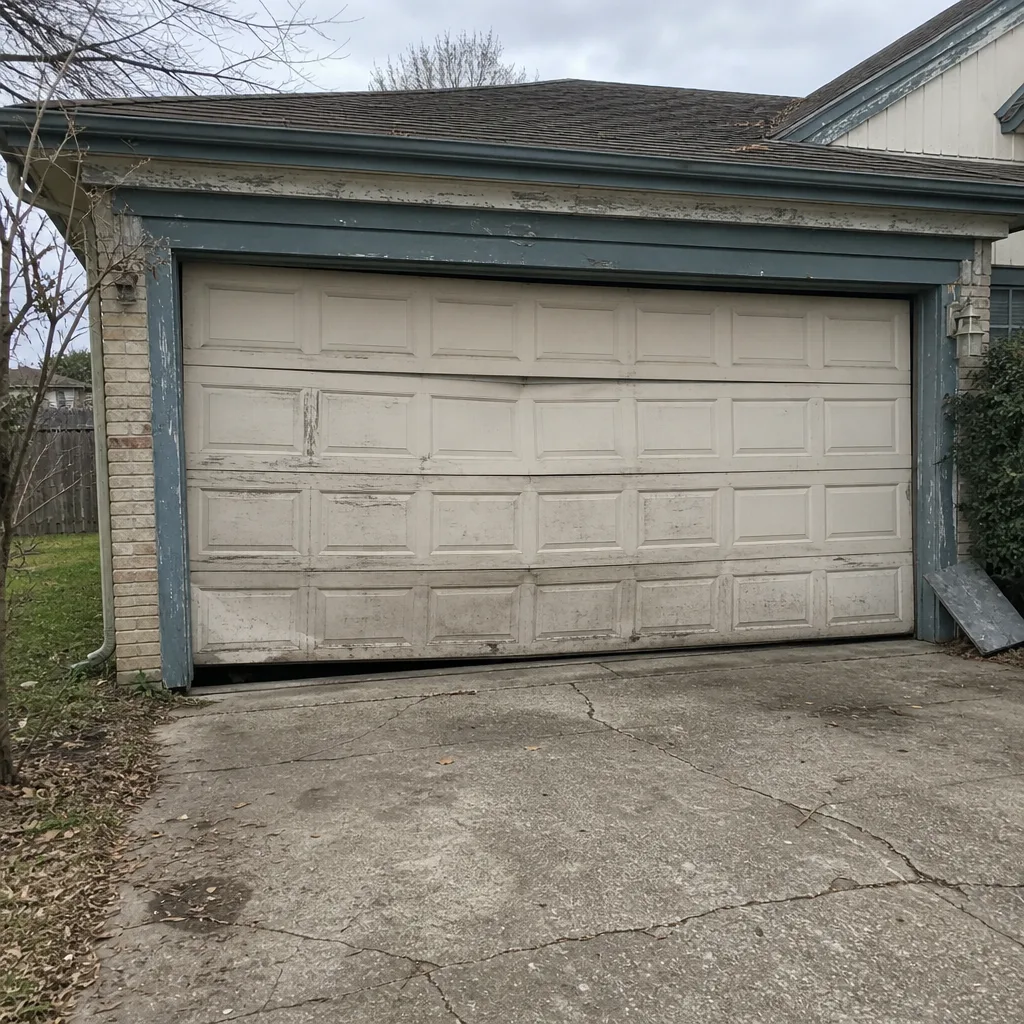 Before
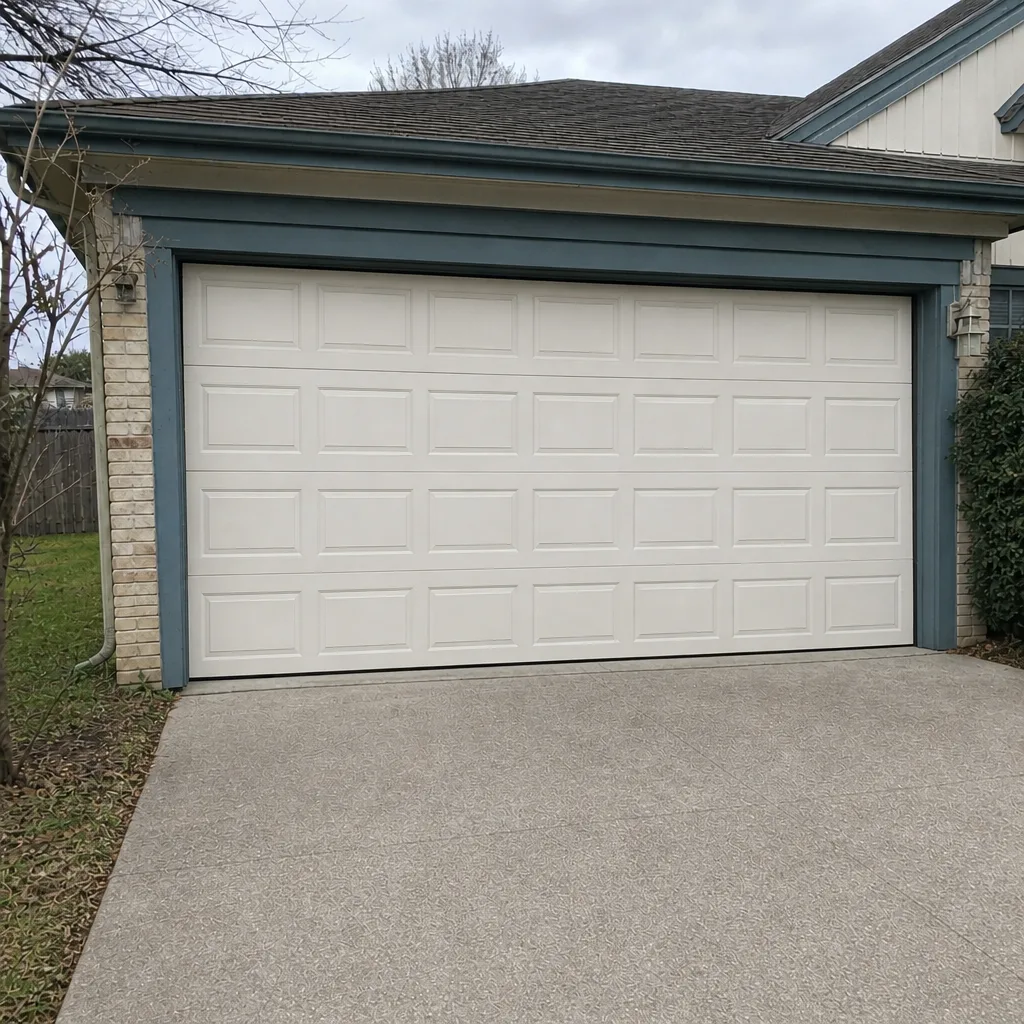 After
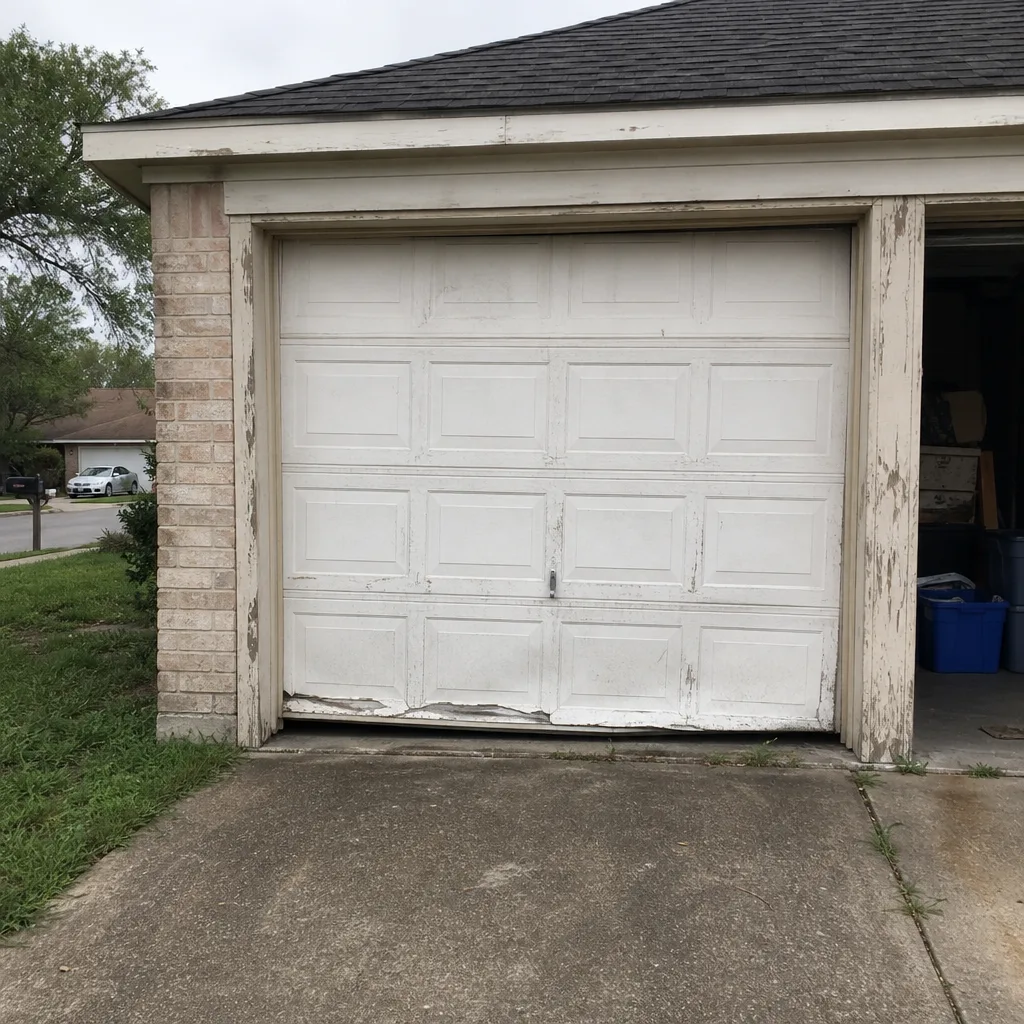 Before
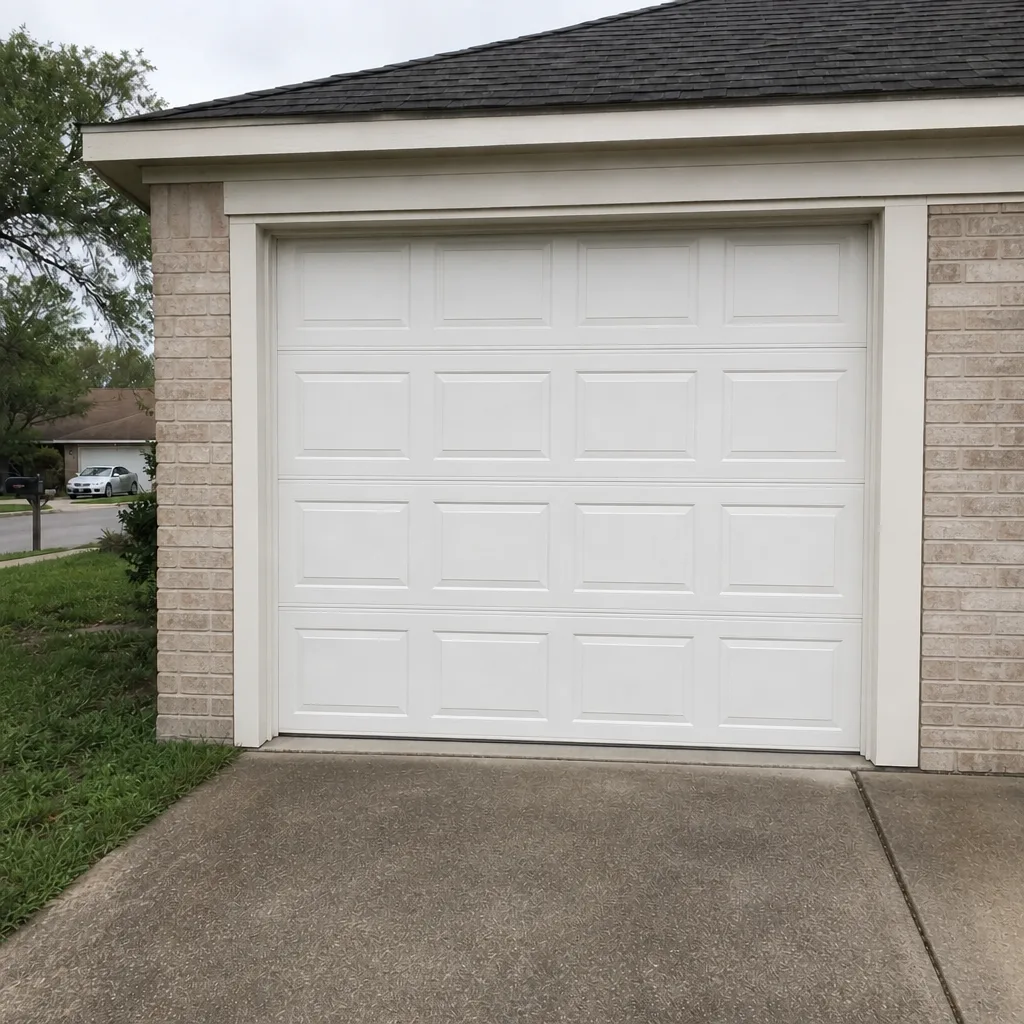 After
When to Call a Professional
Some brand decisions go beyond shopping. If your door is stuck open or closed, if a spring has failed, or if the door poses a security risk, that’s a job for a specialist, not a weekend project. Springs are under extreme tension and can cause serious injury, so never attempt to adjust or replace one yourself. The same goes for opener repairs that involve the door’s balance and safety sensors. If your door is struggling to open, reversing unexpectedly, or making new noises, that’s a signal to have it looked at. Our team can work with your insurer where coverage applies. Pearland Garage Door Repair Pros offers free estimates in Pearland. Call (844) 956-5614. For dedicated spring expertise, see garage door spring repair.
Frequently Asked Questions
There isn’t one universal winner. The best fit is the brand whose coating system, steel substrate, and warranty terms are built for a hot, humid climate rather than a cold one. Clopay and Amarr offer wide certified color and style ranges, and Wayne Dalton offers diverse material options. Compare finish and corrosion coverage first, then price. Call (844) 956-5614 for a free estimate.
Less than you might think. A moderate R-value in the R-6 to R-10 range plus a tight perimeter seal usually outperforms a very high R-value door in a cooling-dominated climate. Higher ratings cost more and deliver diminishing returns in Pearland. Call (844) 956-5614 to talk through what your garage actually needs.
Often not. Many warranties exclude surface rust and cosmetic corrosion, which are the most common issues in humid climates. Read the written warranty document and focus on finish, hardware, labor, and proration language. If corrosion is excluded, budget for touch-up maintenance. Call (844) 956-5614 and we’ll walk you through the fine print.
Yes, provided the opener is rated for the door’s weight and the safety features work together. Matching brands isn’t required, but it can simplify smart-home integration. Confirm weight rating and compatibility before you buy. Call (844) 956-5614 for guidance on pairing your door and opener.
Get your subdivision’s written rules first, then choose a brand with certified color and style options that meet them. Request physical color chips with your application, since those reduce rejection risk. Pearland’s subdivisions vary widely, so what works in one won’t in another. Call (844) 956-5614 for help choosing a compliant door.
Cost varies by job, so we quote and agree on the price before any work starts, and that quote is the price. Repairing the existing door is usually less than replacing it, and the door’s brand and condition drive the decision. Call (844) 956-5614 for a free, no-surprise estimate.
The Bottom Line
Choosing a garage door in Pearland comes down to matching the brand to the climate, not the reputation. Focus on three things: a coating system built for humidity, a warranty whose fine print actually covers finish and hardware, and a moderate insulation R-value paired with tight sealing. Then confirm HOA approval, opener compatibility, and that the installing pro services your brand. The national brand name is the starting point, not the answer. Garage doors are all we do, and our team works on the eight most widely installed residential brands so you get the right fix for your specific door and opener. Call (844) 956-5614 for a free estimate.
Written by the team at Pearland Garage Door Repair Pros.