Last updated November 21, 2026
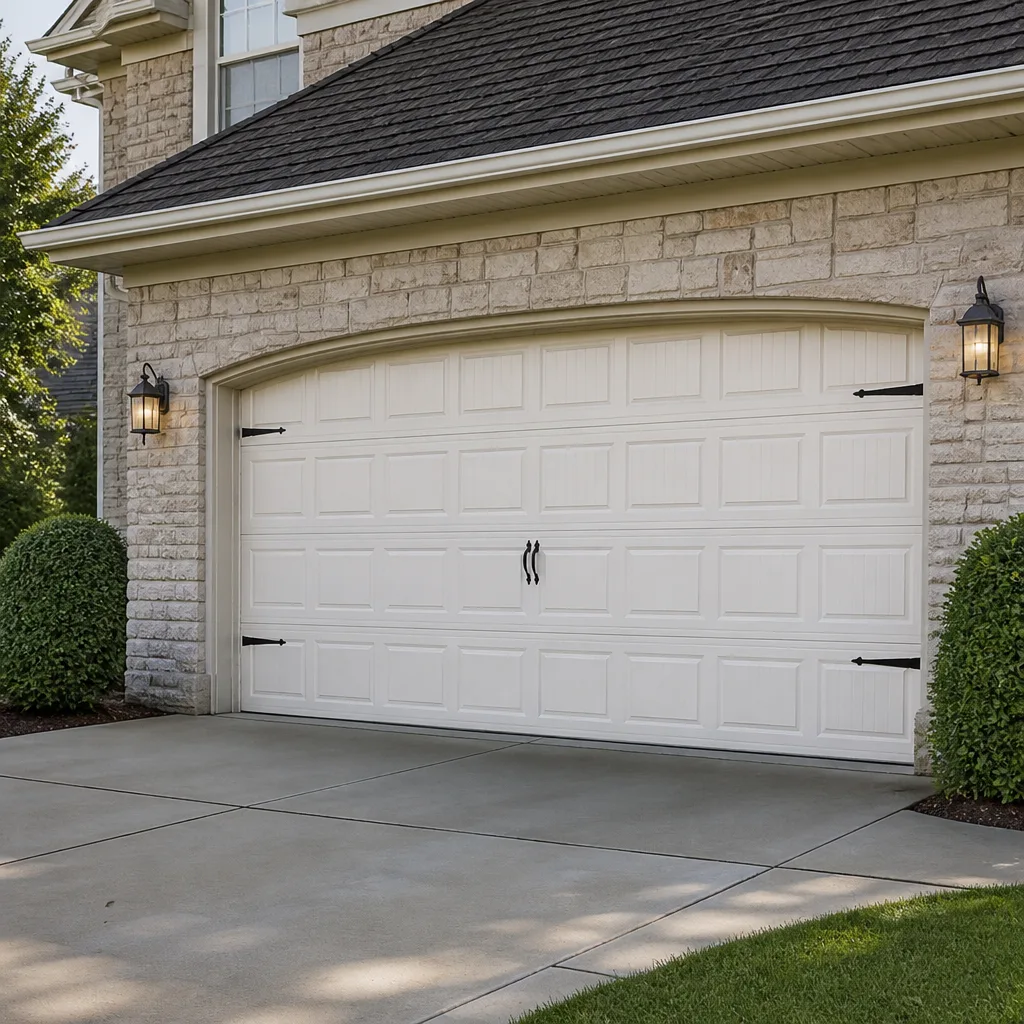 Raised-panel steel
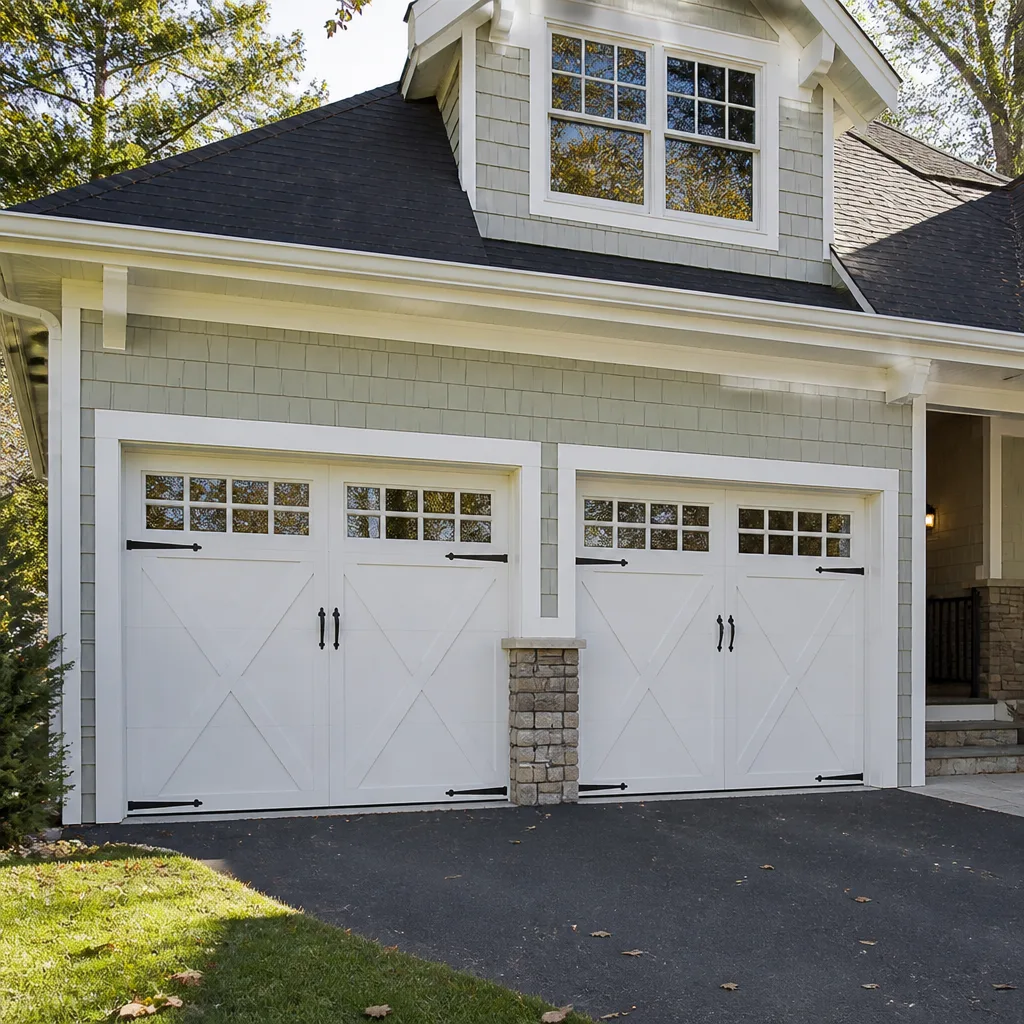 Carriage house
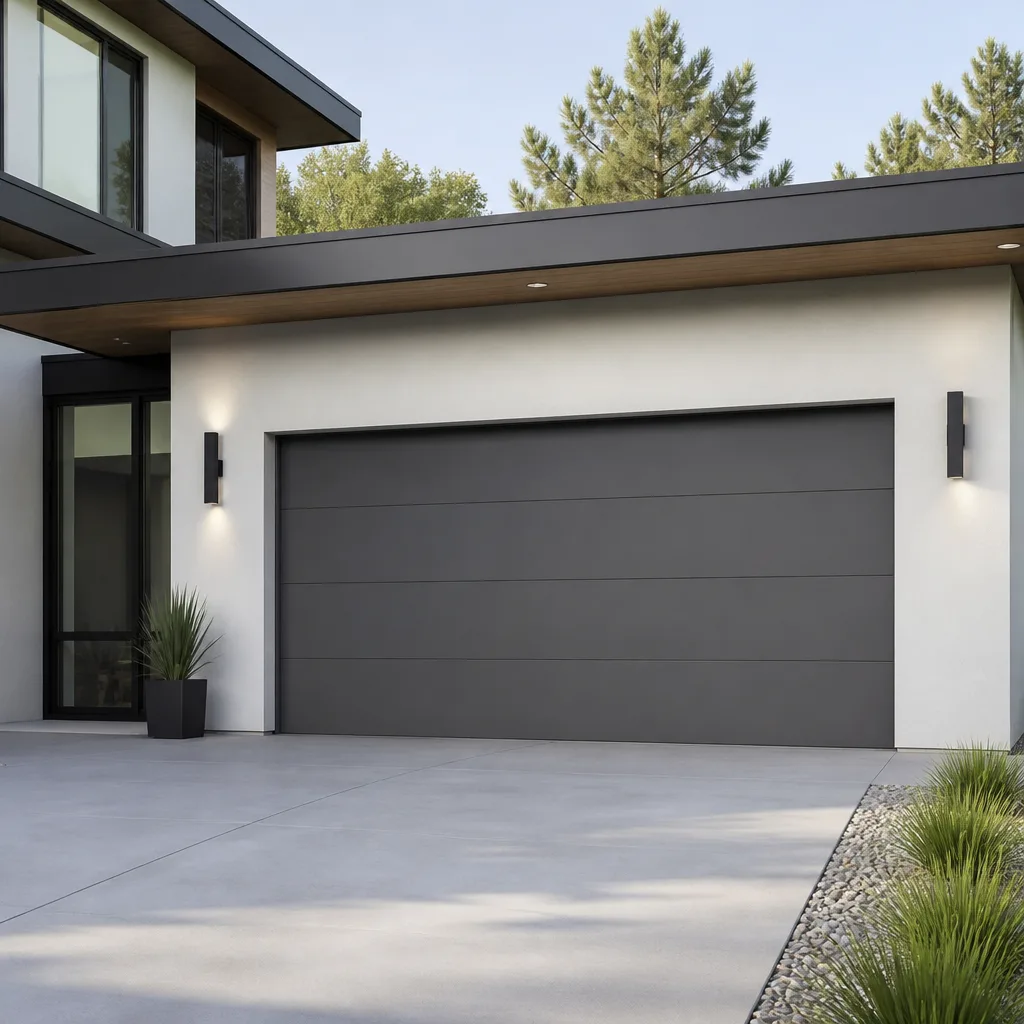 Modern flush
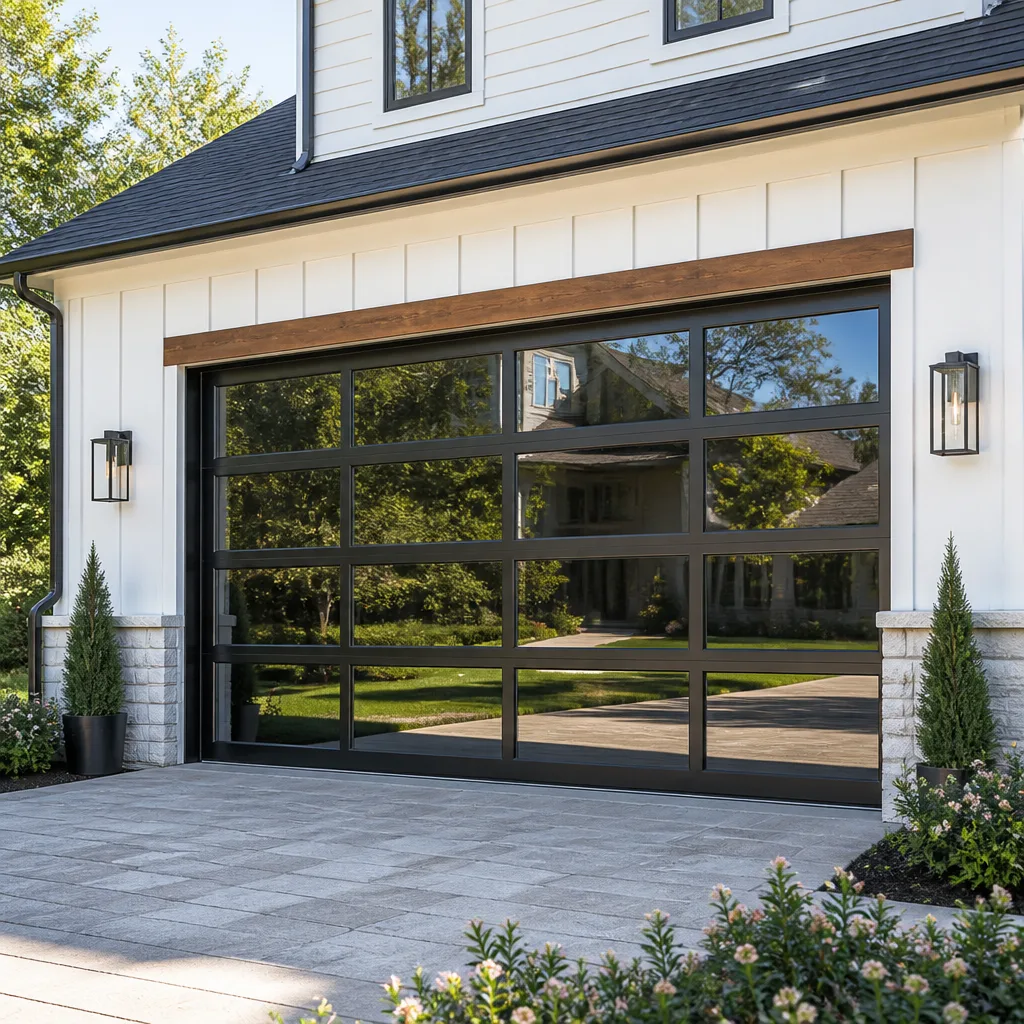 Full-view glass
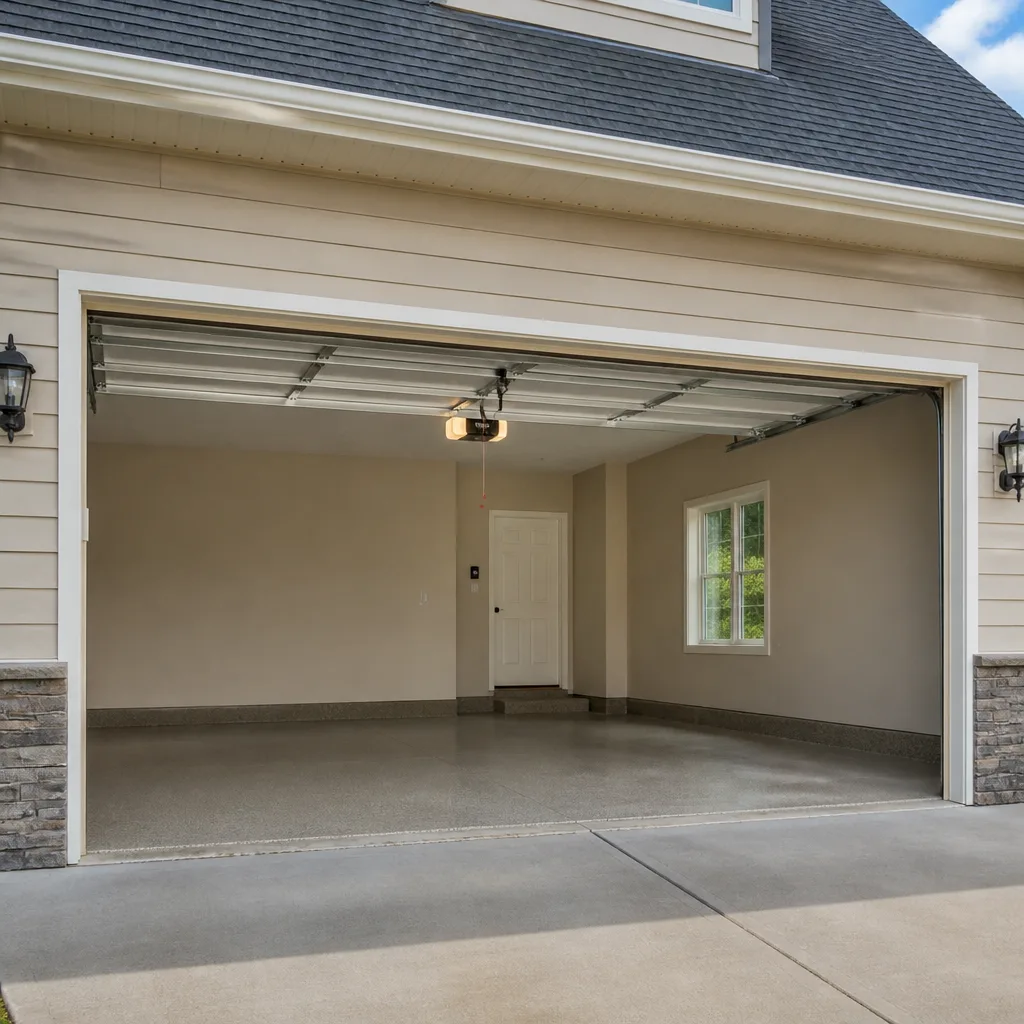 LiftMaster openers
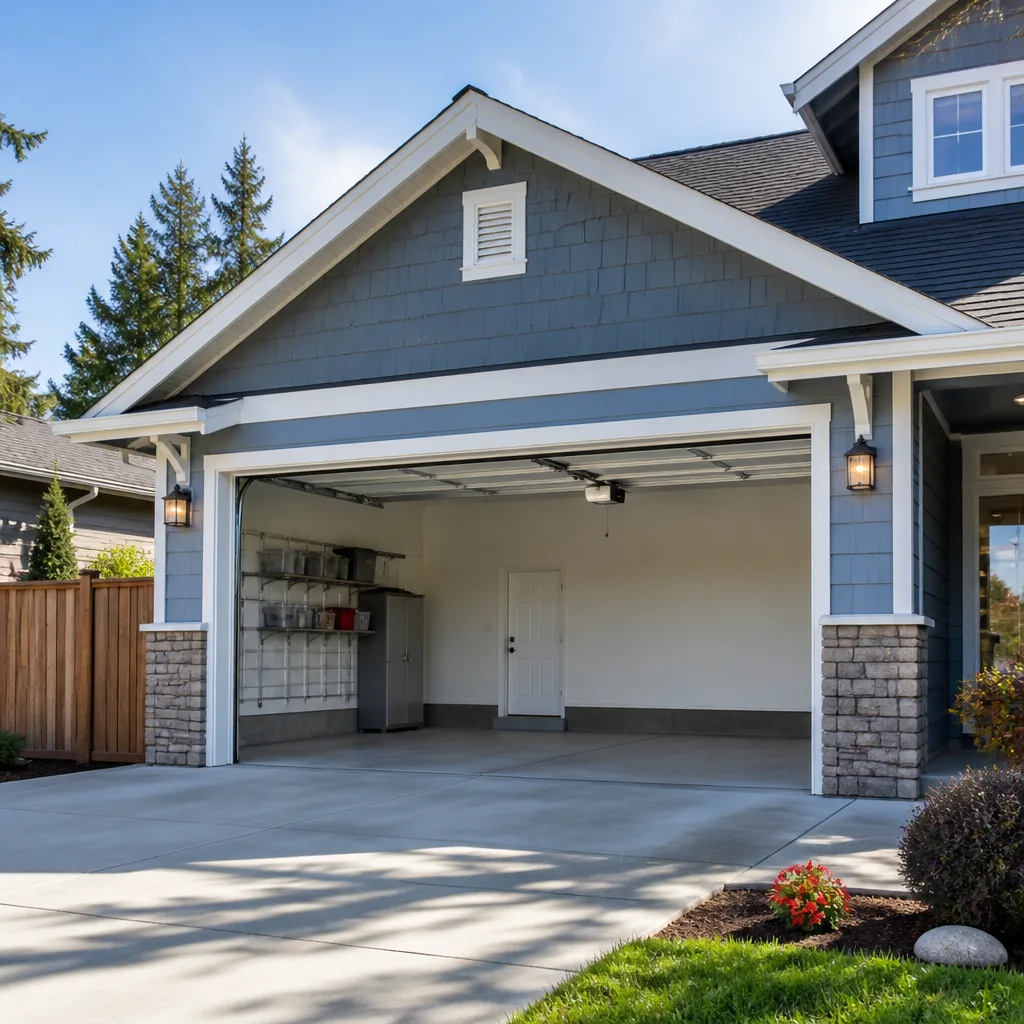 Chamberlain openers
Full 25-point door and opener safety check with every visit - springs, cables, rollers, tracks, and your LiftMaster or Chamberlain opener included
You get a price before we start. It does not change when the pro arrives.
Get your free estimateGarage Door Emergency Preparedness Guide for Pearland Homes
Most Pearland homeowners think about their garage door only when it stops working. The counterintuitive part is that the time to understand your door is before you need it, not during a tropical storm with the power out and your car trapped inside. Your garage door is the largest moving object in your home, and in this part of Texas it’s also the thing that takes the brunt of high wind, driving rain, and the occasional hard freeze. This guide covers how to release your door manually, why battery backup matters here, how to button up before a storm, what to check after floodwater recedes, and when a problem is a call for a specialist.
Quick Answer
Every Pearland homeowner should know three things before an emergency: how to safely use the manual release on their opener, whether their opener has battery backup for power outages, and how to secure the door before a tropical storm or hurricane. When a door is stuck, a spring is broken, or the door won’t close and lock, the safest move is to stop forcing it and call a garage door specialist who works on your brand of door and opener.
Styles & brands we work with
- Raised-panel steel
- Carriage house
- Modern flush
- Full-view glass
- LiftMaster openers
- Chamberlain openers
Table of Contents
- Why Garage Door Emergencies Hit Pearland Homes Differently
- How to Use the Manual Release (and What Can Go Wrong)
- Battery Backup Openers: Not a Luxury in a Flood Zone
- Pre-Storm Protocol: Securing Your Door Before a Tropical Storm
- Post-Flood Inspection: Before You Touch That Door
- Hard Freezes and Your Garage Door
- Your Emergency Contact Plan: Call vs. Wait
- Preventive Checks That Keep Emergencies Rare
Why Garage Door Emergencies Hit Pearland Homes Differently
Pearland sits in a part of the Houston metro that sees the full range of Gulf weather: tropical storms that push rain sideways for hours, flash flooding that can rise fast on low-lying streets, and, every few winters, a hard freeze that catches everyone off guard. Your garage door faces all of it. When a storm knocks out power for hours or days, an opener without battery backup becomes a dead weight on a door that may be the only way in or out.
Most homes here use the garage as the primary entry point. That means a door that won’t open isn’t a minor annoyance. It’s the difference between getting to work and being stuck, between reaching your stored supplies and being locked out of them. We’ve seen how quickly a stuck door turns into a genuine problem when it happens at the wrong moment, which is exactly why planning ahead matters.
A few Pearland-specific realities shape what can go wrong:
- Extended power outages. Tropical systems can take the grid down for days. A door with no manual release plan and no battery backup leaves you stranded.
- Wind-driven rain and wind load. A garage door is a large, flat surface that catches wind. If it isn’t properly reinforced or secured, gust pressure can bow panels or pull the door out of its tracks.
- Standing water after flooding. Water around the base of the door, in the tracks, and near the opener motor means you should not simply hit the button and see what happens.
- Rare hard freezes. A freeze can stiffen lubricants and stress springs and metal components in ways that show up the next time you operate the door.
The good news is that every one of these scenarios has a planned response. The rest of this guide walks through each one.
How to Use the Manual Release (and What Can Go Wrong)
Every opener made by Chamberlain, Genie, and the other major brands has a manual release: a cord, usually with a red handle, that hangs from the carriage that rides the rail. Pulling it disconnects the door from the opener so you can lift the door by hand. The catch is that this only works safely if the door is balanced. If a spring is broken or the door is out of balance, the door can come down hard and fast the moment you disconnect it.
Here’s the safe sequence, in order:
- Check the door’s weight first. Before you touch the release, with the door closed and the opener disengaged only if you’re sure, test whether the door feels balanced. A balanced door lifts with one hand and stays put partway up. If it feels impossibly heavy or slams, stop. That door needs a specialist, and pulling the release could let it crash down.
- Stand clear of the door’s path. Keep hands, feet, and anyone else away from the door’s travel. Never stand directly under a door you’ve just released.
- Pull the red cord straight down. Pull firmly and toward you, not to the side. You should hear or feel the carriage disengage from the rail.
- Lift slowly and steadily. Raise the door by hand, keeping it balanced as you go. If it feels wrong, let it down gently and call for help.
- Prop or lock it open safely if you must leave it. Don’t rely on a door that’s been manually released to stay up on its own unless it’s balanced and you’ve secured it.
What can go wrong: if the door isn’t balanced, releasing it can drop it on a person or a vehicle. Broken springs are the most common reason a door goes out of balance, and springs are the highest-tension, highest-risk part of the whole system. That’s why we treat garage door spring repair as a dedicated service rather than something to improvise. If you can’t lift the door with reasonable effort, don’t force the release. Call a specialist.
Battery Backup Openers: Not a Luxury in a Flood Zone
If the power goes out and your opener has no battery backup, your garage door is dead unless you can safely use the manual release. In a Houston-area flood zone, where tropical systems routinely knock out power for extended stretches, battery backup changes a genuine emergency into a minor inconvenience.
Battery backup openers keep the door operating when the grid is down, which matters most when you need to get a vehicle out or stored supplies in during an outage. It’s the difference between reacting to a crisis and simply carrying on. When we install a new opener, we walk homeowners through battery backup not as an add-on but as part of what makes the system resilient in this climate.
What to know before you decide:
- Compatibility varies by brand. Chamberlain, Genie, LiftMaster, and others offer battery backup on many current models, but not every older opener supports it. We check your existing unit before recommending anything.
- Battery health needs checking. A backup battery that’s never been tested may not hold up when you actually need it. Test it before storm season, not during.
- Backup is not a substitute for the manual release. Know both. Battery backup handles outages, while the manual release handles everything else.
- A failing opener is worth replacing. If your current unit is old, noisy, or unreliable, a new battery-backup-capable opener solves two problems at once.
If your opener is failing or you’re ready for one with backup, our garage door opener repair service covers both diagnosis and replacement across all the major smart and traditional platforms.
Pre-Storm Protocol: Securing Your Door Before a Tropical Storm
When a tropical storm or hurricane is heading toward Pearland, the goal is to reduce the wind load your door has to carry and to keep water from getting inside. A garage door is a big, flat sail. If it fails under wind pressure, the wind gets inside the house, and pressure can lift the roof. That’s why reinforcing and securing it before the storm matters.
A pre-storm sequence you can follow:
- Close and lock the door fully. A door that’s slightly open or not latched is the first thing to fail. Make sure it’s all the way down and the lock or latch is engaged.
- Engage the manual lock if you have one. Many doors have a slide lock or latch on the inside that physically holds the door closed. Use it; it takes load off the opener and the springs.
- Install a reinforcement kit if your door supports one. Vertical or horizontal bracing adds stiffness and helps the door resist bowing under gust pressure. We can tell you whether your specific door can take a kit before you buy one.
- Check the tracks and rollers. A door that’s already loose in its tracks is more likely to jump the track under wind. Tighten and align before the storm.
- Move valuables and vehicles out of the garage’s path if a failure is possible. If you know your door is old or damaged, don’t park under it during the storm.
- Test the opener and the manual release now. You want to know both work before the power goes out, not after.
If your door is old, damaged, or clearly not rated for high wind, pre-storm is the time to think about replacement. We handle full garage door repair and installation, and we’ll tell you honestly whether your current door is up to the coming season.
Post-Flood Inspection: Before You Touch That Door
After floodwater recedes, the instinct is to hit the opener button and see if everything’s fine. Don’t. A door that’s been exposed to standing water can have compromised springs, corroded or waterlogged tracks, and an opener motor that shouldn’t be powered up wet. Operating it before inspection is how small water damage turns into a bigger repair or a safety hazard.
What to check first, in order:
- Don’t power the opener. Leave it off until you’ve inspected the door and the motor for water intrusion.
- Look at the springs and cables. Visible rust, sagging, or anything that looks off means the door shouldn’t be operated. Springs are under high tension; a weakened spring can fail suddenly.
- Check the tracks and rollers for debris and corrosion. Silt and grit in the tracks will cause the door to bind or jump.
- Inspect the panels for bowing or warping. Water absorption can distort panels, and a warped door won’t seal or track properly.
- Test the manual release only after the door checks out. If it feels heavy or binds, stop and call a specialist.
If you’re unsure after a flood, that’s the moment to call. We do Pearland Garage Door Repair Pros work on flood-exposed doors often enough to know what to look for and what to leave alone. A short inspection beats a failed spring or a motor that shorts out later.
Hard Freezes and Your Garage Door
Pearland winters are mild, but every few years a hard freeze arrives, and that’s when garage doors start behaving strangely. Cold stiffens lubricants, shrinks and stresses metal components, and can make a door that worked fine in summer suddenly strain, stall, or come out of balance. A freeze doesn’t usually break a door on its own, but it exposes weaknesses that were already there.
What to do around a freeze:
- Operate the door slowly and watch it. If it strains or hesitates, stop and check it out after the freeze rather than forcing it repeatedly.
- Listen for new noises. Grinding, popping, or a door that runs unevenly after a freeze is telling you something shifted.
- Don’t ignore a door that won’t close flush. A door that doesn’t seal lets cold air in, and it can also be a sign the track or panels moved.
- Have the door serviced before winter. A tuned door handles cold better than a neglected one.
Cold-weather issues are rarely dramatic in Pearland, but they’re a good reminder that seasonal checks keep small problems from becoming emergencies. In our experience, the doors that have the fewest cold-weather surprises are the ones that get looked at before the season changes.
Your Emergency Contact Plan: Call vs. Wait
Some garage door problems are safe to wait on. Others aren’t. Knowing the difference is the heart of being prepared. As a rule of thumb: if the door is stuck open and your home is exposed, if you hear a loud bang and the door won’t lift, or if there’s any risk of the door falling, that’s a call-now situation. If the door is slow, noisy, or mildly misaligned, it can usually wait for a scheduled visit.
When you do call, having the right information ready gets you a faster, more useful response. Have these on hand:
- The brand of your door and opener. LiftMaster, Chamberlain, Genie, Clopay, Amarr, and the rest each have their own quirks. Knowing your brand helps us come prepared.
- What the door is doing. “It won’t open,” “it opens but won’t close,” “it’s stuck halfway,” “I heard a bang and now it won’t lift” are all different problems.
- Whether the power is on. That changes the diagnosis for an opener issue in seconds.
- The door’s condition. Dents, bowed panels, off-track, or a visible broken spring.
- Whether anyone is trapped or a vehicle is stuck. That sets the urgency.
- Your address and a callback number. Obvious, but it’s the thing people forget in the moment.
Emergency garage door service is a core part of what we do, not an upsell. When it can’t wait, we’re set up to respond. Call (844) 956-5614 and have those details ready.
Preventive Checks That Keep Emergencies Rare
The best emergency is the one you don’t have. A little routine attention makes a Pearland garage door far less likely to fail at the worst possible moment. None of this requires special tools, and most of it takes a few minutes.
A preventive check you can run yourself, and what a professional visit adds:
- Test the balance. Disconnect the opener, lift the door halfway, and let go. A balanced door should stay put. If it drops or rises on its own, it’s out of balance and needs service.
- Test the manual release. Make sure the cord disconnects and reconnects smoothly. A release that’s stuck is a problem waiting for an outage.
- Test the safety reverse. Put a small object in the door’s path and confirm the door reverses. If it doesn’t, stop using the door until it’s fixed.
- Lubricate moving parts. Tracks, rollers, and hinges benefit from proper garage-door lubricant. Avoid greasing the tracks themselves.
- Check the weather seal along the base. A worn seal lets water and wind in. Replace it before storm season.
- Listen. New noises are the earliest warning you’ll get. Deal with them early.
What a professional check adds is the part you can’t safely do yourself: inspecting the springs and cables under tension, verifying the door’s alignment and hardware torque, and confirming your opener is matched to your door. We work across the brands Pearland homes actually have, and we diagnose brand-specific issues directly rather than guessing. Garage doors are all we do, so we bring a specialist’s eyes to a system most generalists treat as a side job.
Common Mistakes to Avoid
- Pulling the manual release on an unbalanced door. If a spring is broken, the door can slam down the moment you disconnect it. Test the weight first.
- Hitting the opener after a flood. Powering a water-exposed door or motor before inspection can cause a bigger repair or a safety hazard.
- Assuming you’ll remember the release in a crisis. In Pearland, outages are common during storm season. Practice the release now so it’s muscle memory later.
- Leaving the door unsecured before a storm. A door that’s not fully closed and latched is the first thing wind catches. Lock it down.
- Ignoring a broken spring because “it still opens.” Some doors will run on a broken spring until the opener burns out. Fix it before that happens.
- Force-cycling a door that’s off its tracks. Repeatedly operating a misaligned door damages panels and hardware. Stop and call.
- Skipping the battery backup decision. In this part of the Houston area, battery backup isn’t a luxury; it’s a practical part of storm readiness.
See the difference
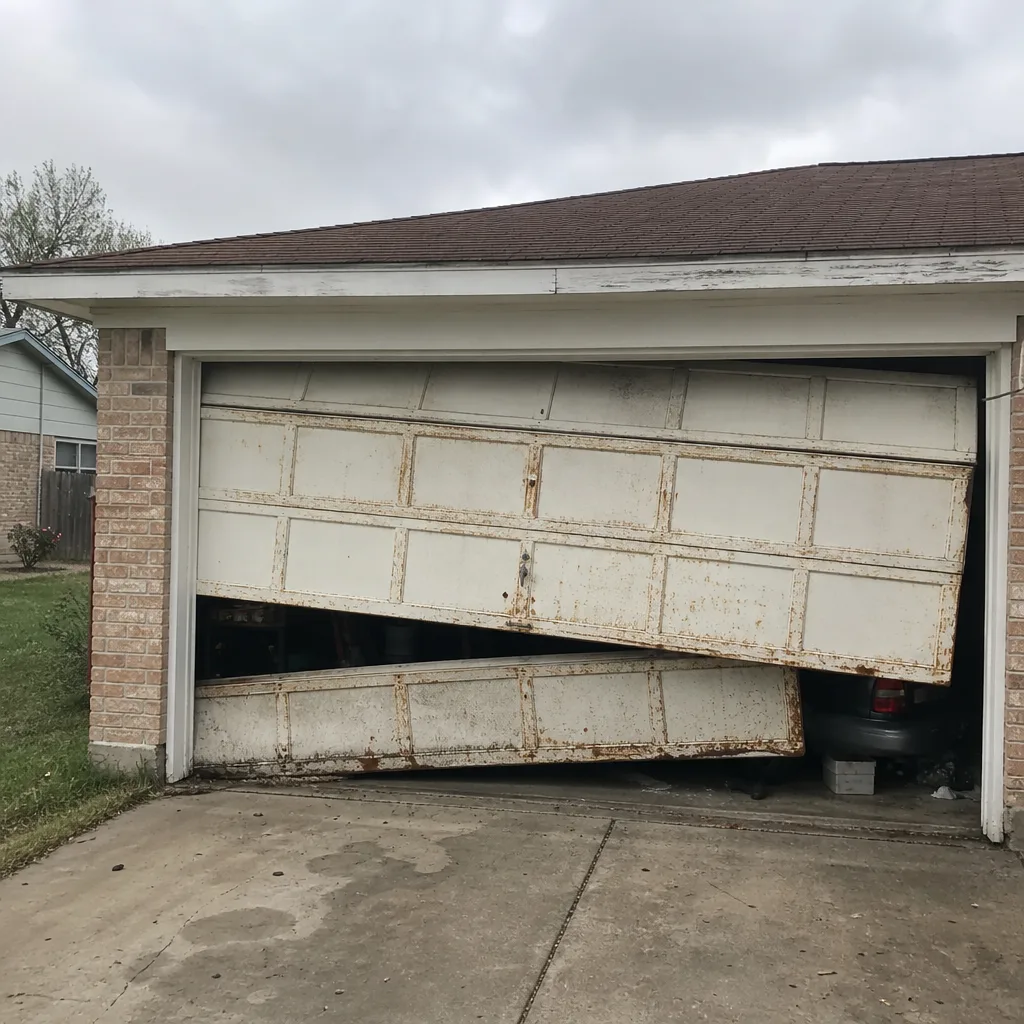 Before
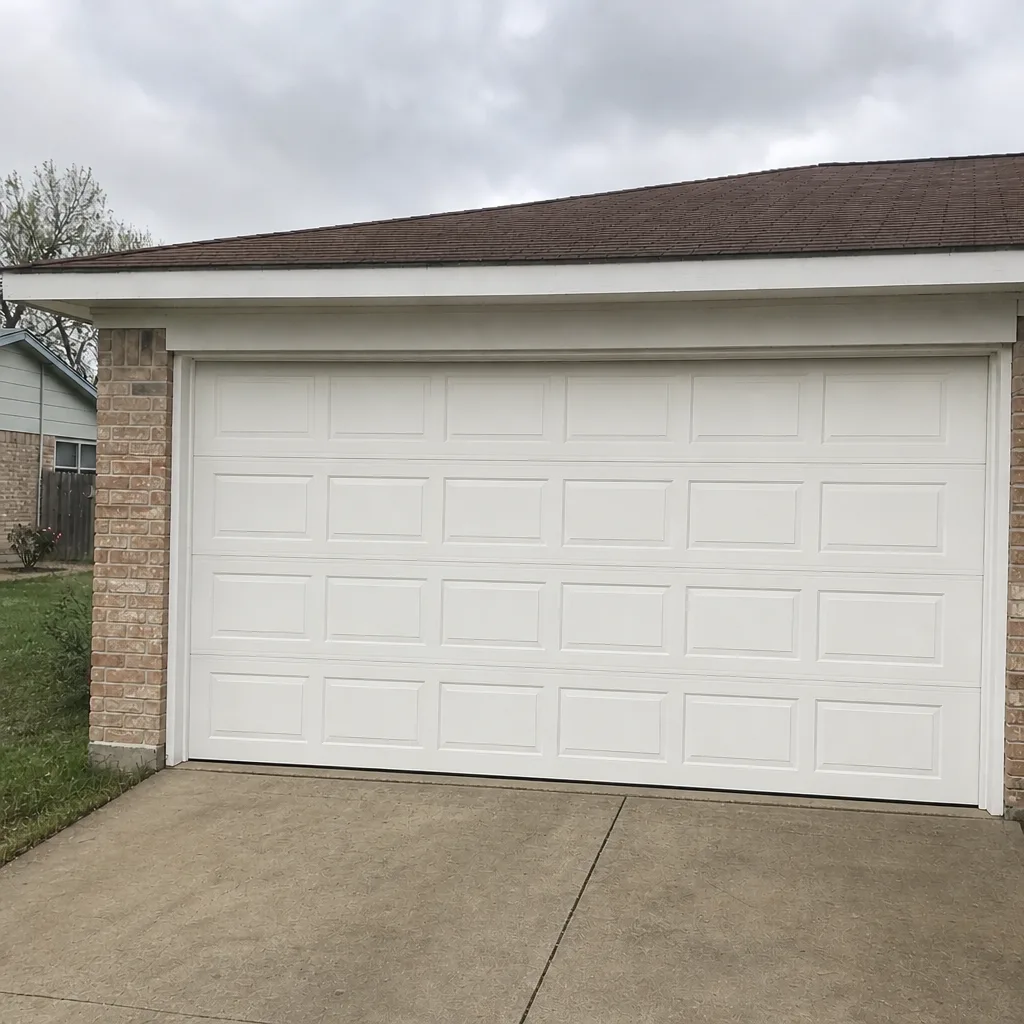 After
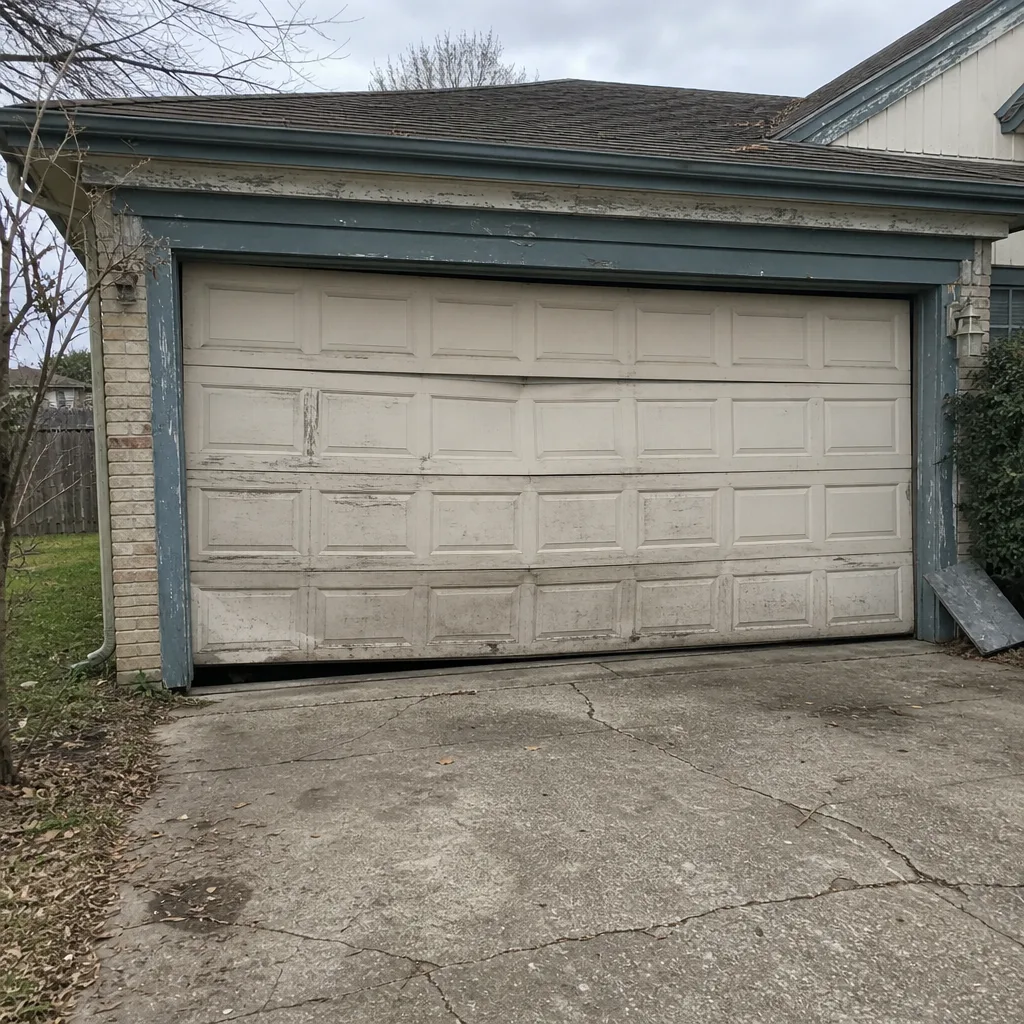 Before
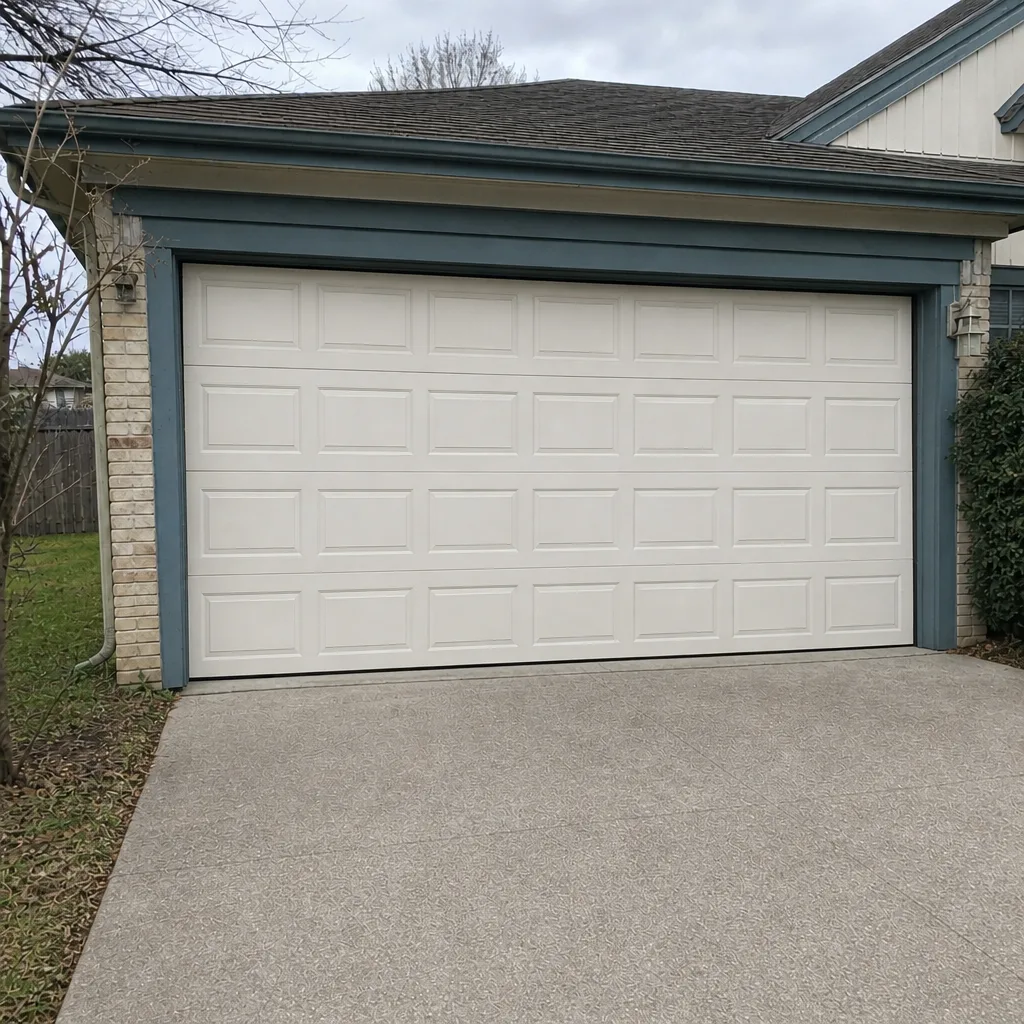 After
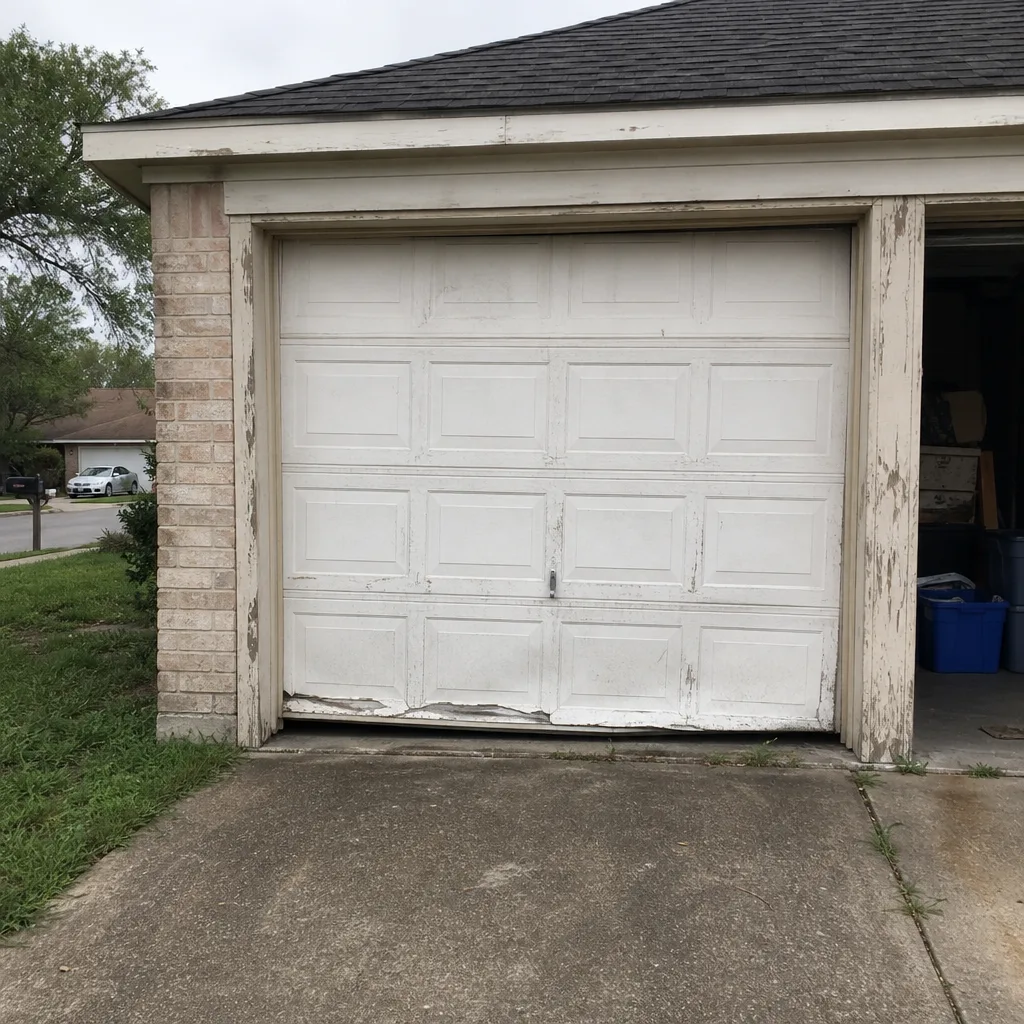 Before
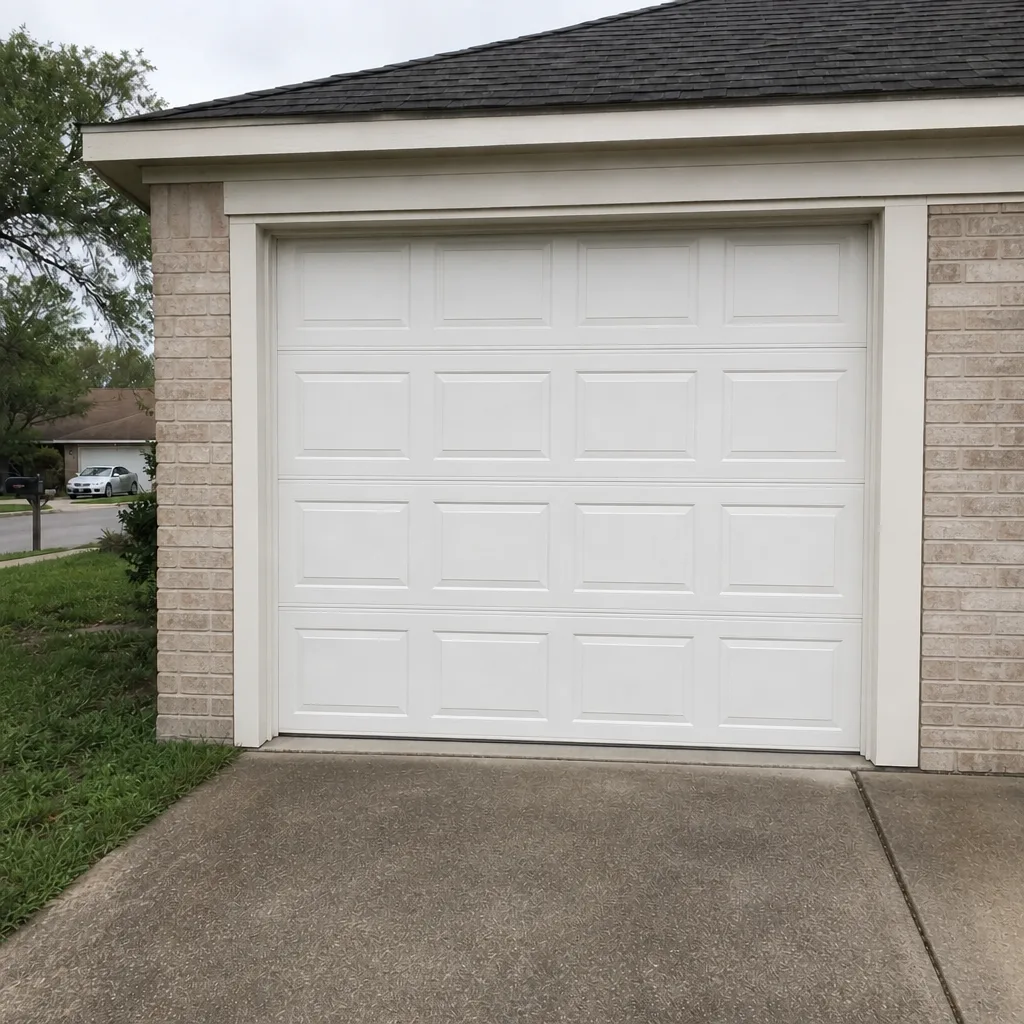 After
When to Call a Professional
Some problems are clearly a call for a specialist: any suspected broken spring, a door that’s off its tracks, a door that won’t balance, an opener that’s dead after a power surge, or anything that happened after floodwater reached the door. Those are the situations where forcing a repair or ignoring the problem can cost you more, or put someone at risk.
Others are less urgent but still worth a professional look before they escalate: new noises, a door that runs unevenly, a remote that’s stopped working, or a general sense that the system isn’t right. We handle opener repair, springs, and full replacement, and we’ll tell you which fix your specific door and opener actually needs.
Pearland Garage Door Repair Pros offers free estimates in Pearland. Call (844) 956-5614 to get a straight answer on what’s going on and what it takes to fix it.
Frequently Asked Questions
Pull the red release cord hanging from your opener to disconnect it, then lift the door by hand slowly. Only do this if the door feels balanced; if it’s extremely heavy or drops, a spring may be broken and you should stop and call a specialist rather than forcing it.
It’s a practical necessity for many homes here, not a luxury. Tropical storms and outages can leave the grid down for extended periods, and battery backup keeps the door working when you need to get out or get supplies. We can check whether your current opener supports one or whether a replacement makes more sense.
Close and latch the door fully, engage any manual lock, add reinforcement if your door supports it, and check that the tracks and rollers are tight. If the door is old or damaged, get it inspected before the season rather than during it.
Not before you inspect it. Don’t power the opener until you’ve checked for water intrusion, rust on the springs and cables, and debris in the tracks. If anything looks off, call a specialist. A water-exposed door can be a real safety hazard if operated too soon.
Tell us your door and opener brand, what the door is doing, whether the power is on, the door’s visible condition, and whether anyone is trapped or a vehicle is stuck. Then have your address and callback number ready. Brand matters: LiftMaster, Chamberlain, Genie, Clopay, and Amarr each have their own quirks, and knowing yours helps us come prepared.
It’s an emergency if the door is stuck open and your home is exposed, if you hear a bang and the door won’t lift, or if there’s any chance of it falling. A door that’s slow, noisy, or slightly misaligned can usually wait for a scheduled visit.
The Bottom Line
The point of garage door preparedness in Pearland isn’t to become a repair expert. It’s to know the handful of things that turn a crisis into an inconvenience: how to use the manual release safely, why battery backup matters here, how to secure the door before a storm, and what to check before operating a flood-exposed door. Practice the release before you need it, keep your opener’s battery tested, and have the right details ready when you call. Emergencies go better when you’ve planned for them. When it comes to the door, let specialists handle what needs handling.
If your door is stuck, off its tracks, making new noises, or you just want to know whether it’s ready for the next storm, we’re here. Pearland Garage Door Repair Pros specializes in garage doors and openers only, with technicians who know the major brands inside and out. Call (844) 956-5614 for a free estimate and a straight answer on what your door needs.
Written by the team at Pearland Garage Door Repair Pros.