Last updated November 21, 2026
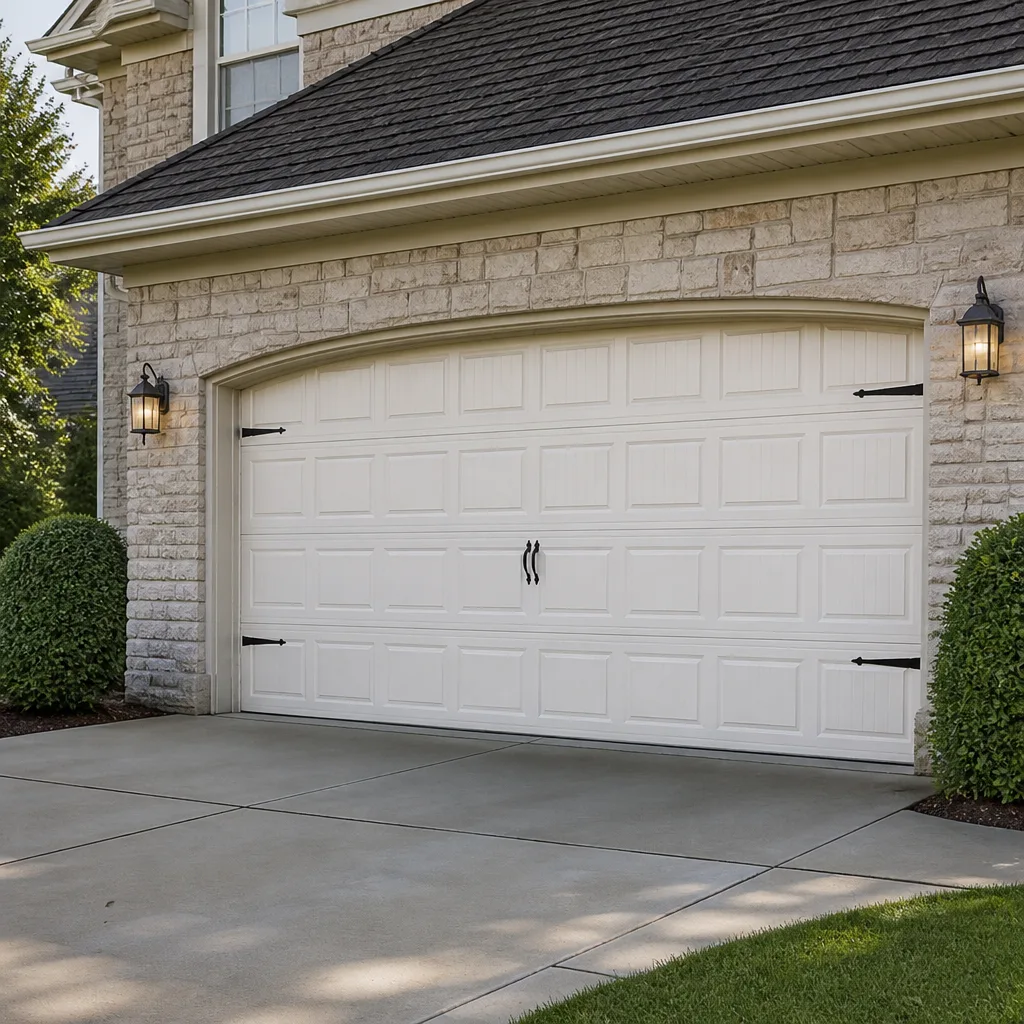 Raised-panel steel
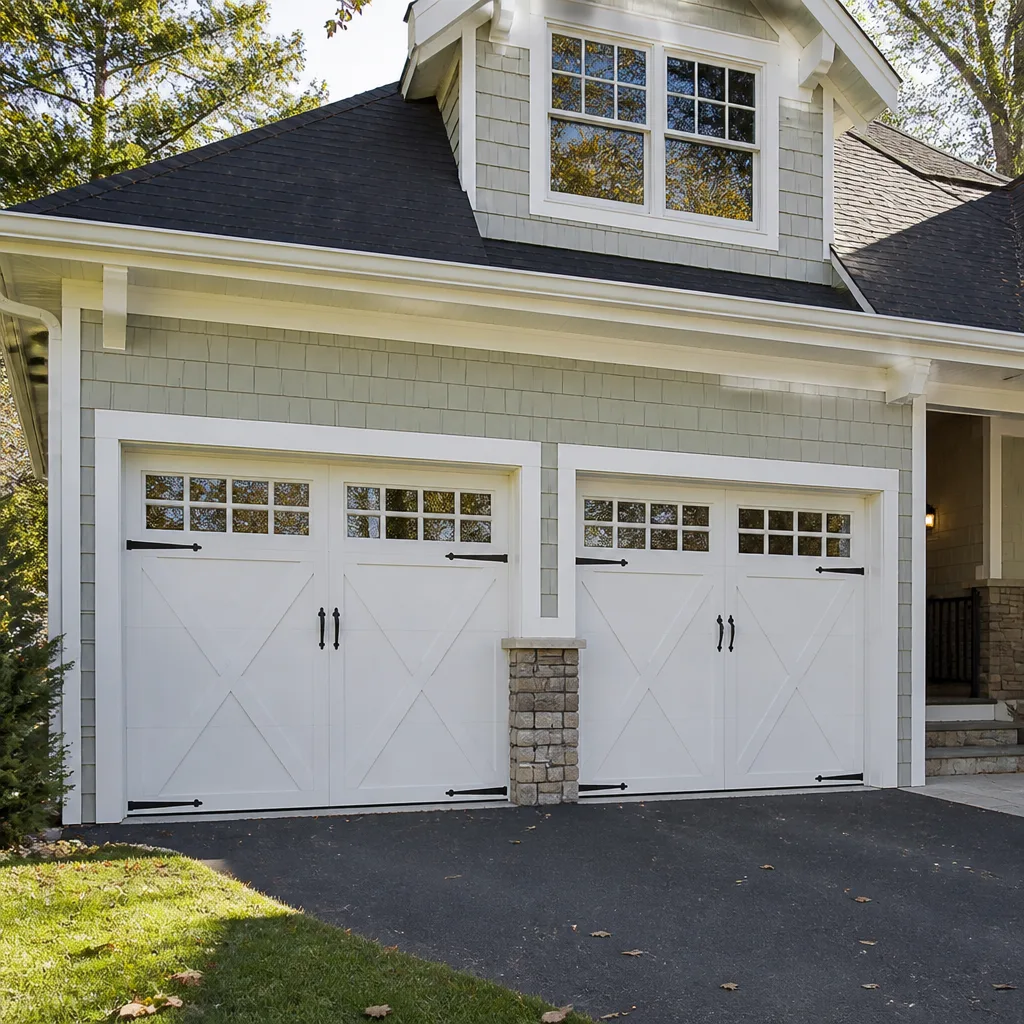 Carriage house
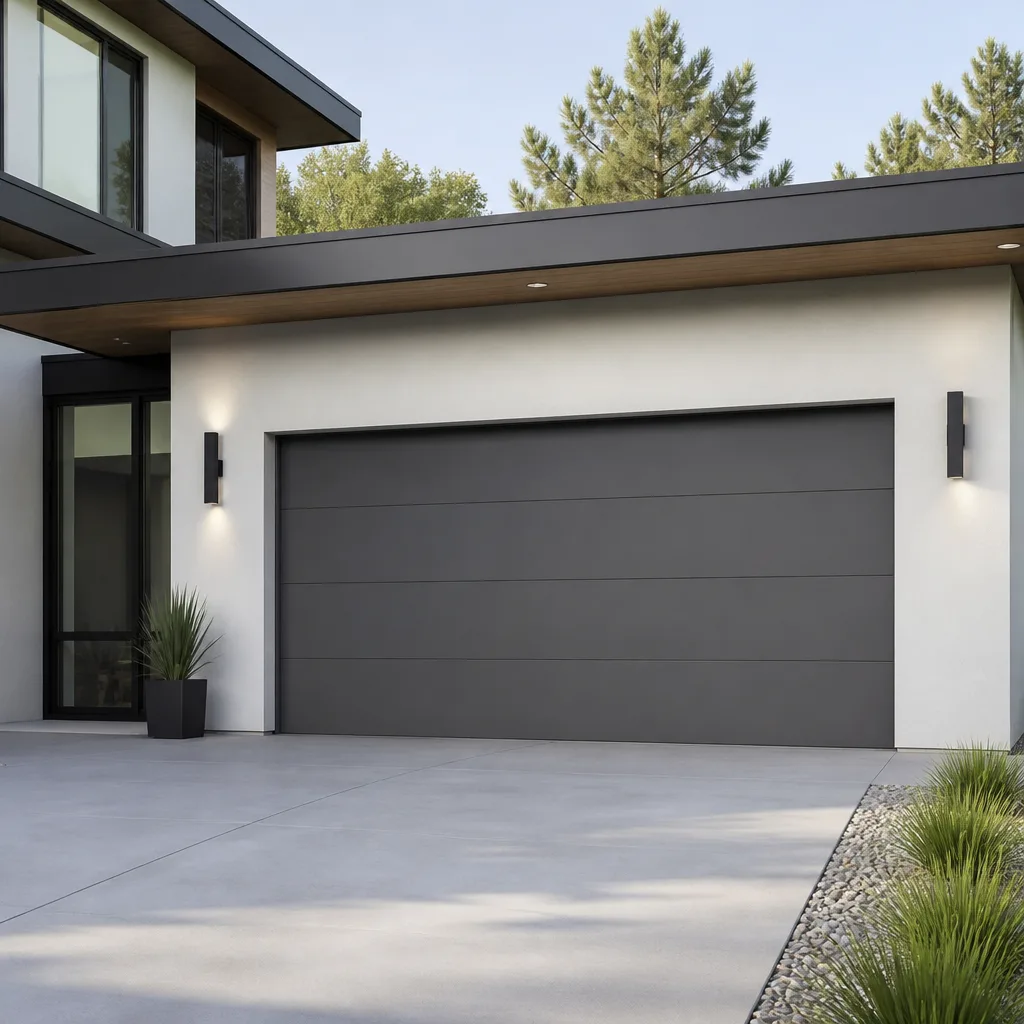 Modern flush
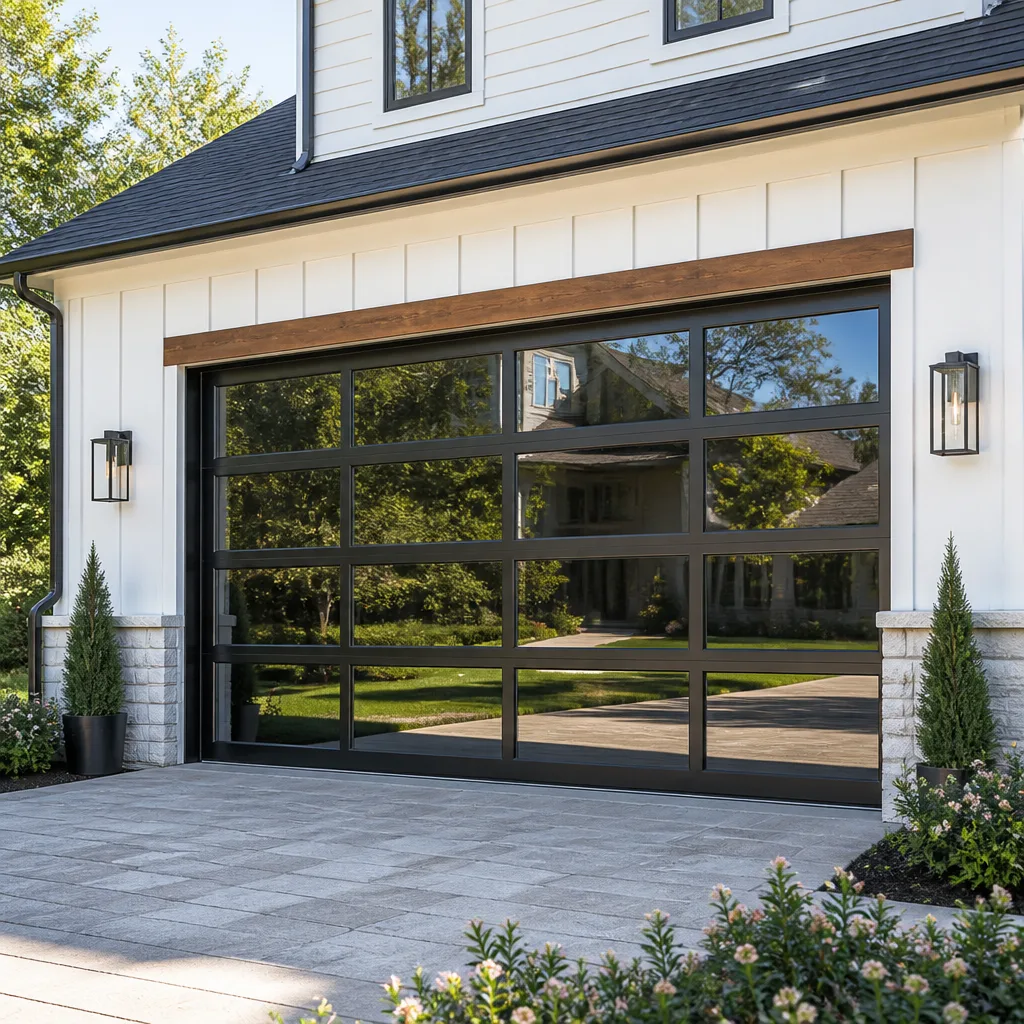 Full-view glass
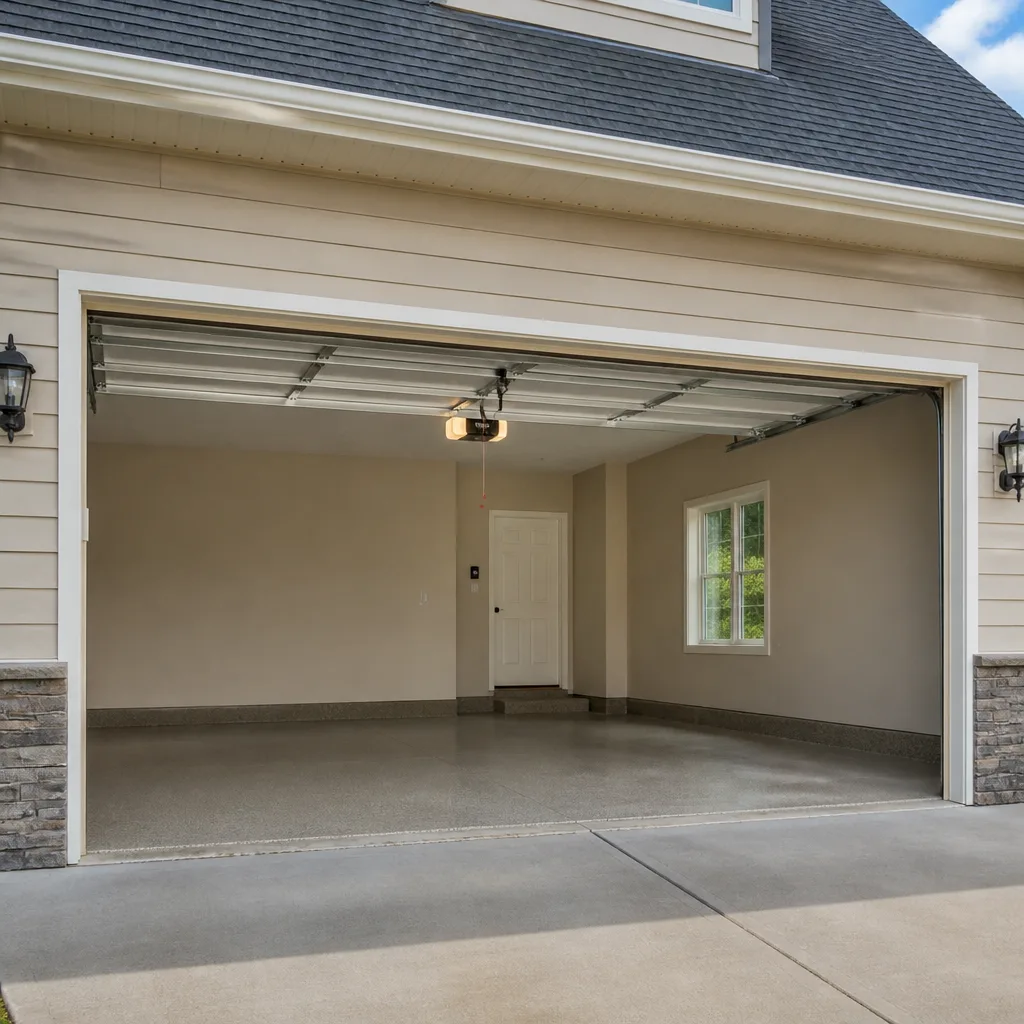 LiftMaster openers
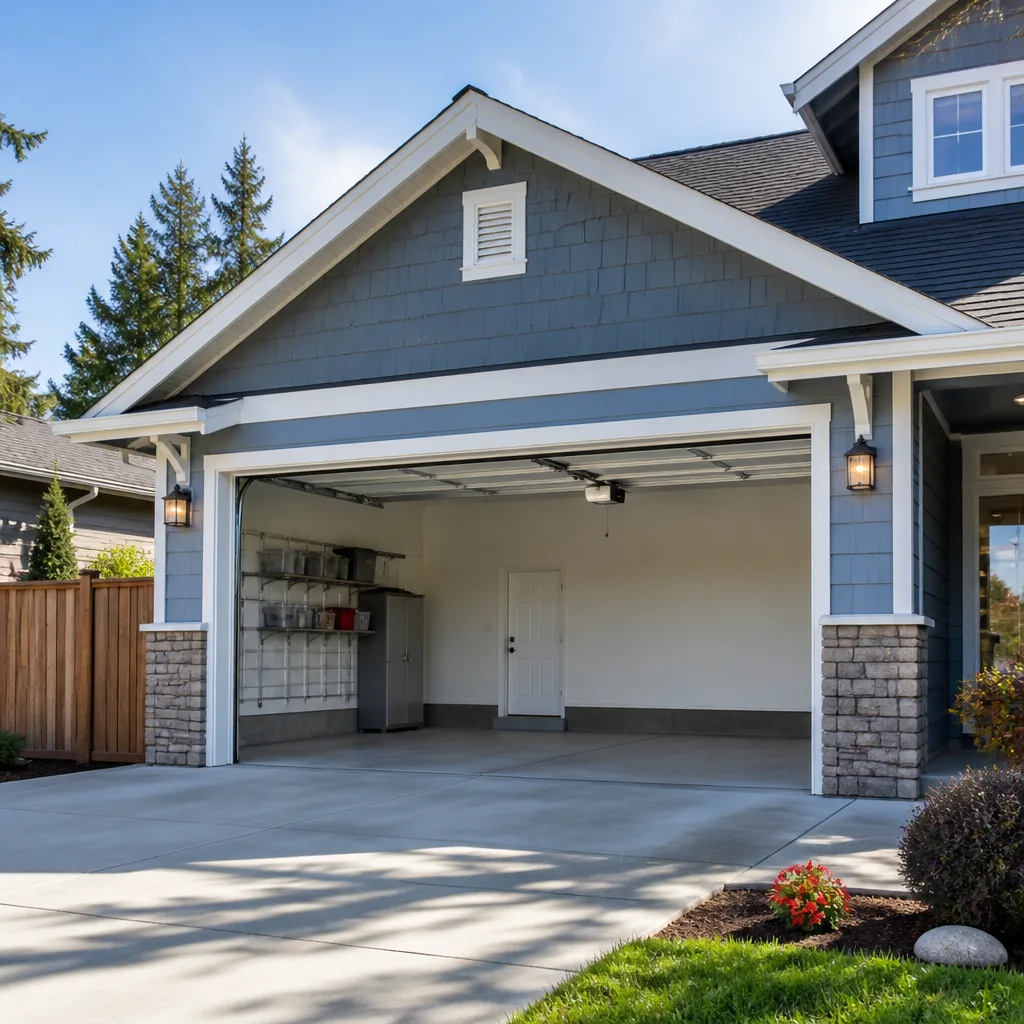 Chamberlain openers
Full 25-point door and opener safety check with every visit - springs, cables, rollers, tracks, and your LiftMaster or Chamberlain opener included
You get a price before we start. It does not change when the pro arrives.
Get your free estimateSeasonal Garage Door Care for Pearland: Year-Round Homeowner’s Guide
Most garage door advice assumes four equal seasons. Pearland doesn’t work that way. What we actually get is a long, punishing summer that runs from late spring into October, a short winter that’s mild right up until it isn’t, and two transition stretches in between that quietly do the most damage to springs, rollers, and seals. That’s why the standard “check your door each season” advice falls flat here. The calendar that matters in Pearland is the heat, the humidity, the storm window, and the occasional hard freeze. This guide walks through each one in order, tells you what to check and when, and flags the jobs that belong to a trained technician rather than a Saturday afternoon. By the end you’ll have a month-by-month reference built for Pearland’s climate, not a generic template copied from a colder part of the country.
Quick Answer
Seasonal garage door care in Pearland means prepping for heat and humidity before summer, securing and inspecting around tropical storm threats, checking lubricant and seals before the first hard freeze, and using the spring and fall transitions to catch wear the peak seasons caused. The two highest-value habits are lubricating moving parts on a schedule and testing the safety reverse and manual release every month. Springs, cables, and anything under tension are technician work, not homeowner work.
Styles & brands we work with
- Raised-panel steel
- Carriage house
- Modern flush
- Full-view glass
- LiftMaster openers
- Chamberlain openers
Table of Contents
- Why Pearland’s Climate Calendar Isn’t Four Seasons
- Pre-Summer Prep: Heat, UV, and Humidity
- Before and After a Tropical Storm Threat
- Winter Readiness for Pearland’s Occasional Hard Freezes
- Spring and Fall Transition Checks
- Month-by-Month Reference Card for Pearland
- What You Can Do Yourself and What You Can’t
- Common Mistakes to Avoid
Why Pearland’s Climate Calendar Isn’t Four Seasons
The biggest misconception we run into is that a mild winter means a low-maintenance garage door. Pearland winters are gentle enough that most homeowners skip cold-weather prep entirely. Then a rare hard freeze arrives, the lubricant in the hinges and rollers thickens, a spring that was already near the end of its life lets go, and the door won’t move on the coldest morning of the year. That pattern repeats because the climate gives you no warning. You get months of warm weather and then a sharp cold snap, and hardware that was never checked pays for it.
The other half of the story is summer. Pearland summers are long, hot, and humid, and they put a different kind of stress on a door than cold does. Metal expands. Rubber seals bake under UV and dry out. Humidity speeds up rust on any bare steel, especially hinges, track joints, and the bottom brackets. Add the tropical storm window that runs through the warm months and you have a door that faces three distinct pressures across the year, not one.
Once you reframe the year around those pressures, care becomes simpler. Instead of four equal checkpoints, you get a long pre-summer push, a storm-ready stretch, a short winter watch, and two transition periods where you catch what the peak seasons did. That’s the structure of this whole guide, and it’s the structure we use when we talk to homeowners across Pearland about a door that’s starting to feel heavy or loud.
Pre-Summer Prep: Heat, UV, and Humidity
Summer is the highest-stress season for a garage door in Pearland, and the work you do in the weeks before it arrives matters more than anything you do in July. The goal is to reduce friction, protect rubber from UV, and slow down rust before the humidity climbs. Here’s the order we recommend.
- Lubricate every moving part. Rollers, hinges, the torsion spring coils, and the bearing plates at the ends of the shaft. Use a garage-door-specific lubricant, not general-purpose oil or WD-40, which attracts dust and dries out rubber.
- Inspect the bottom weather seal. Run your hand along it. If it’s cracked, brittle, or no longer touching the floor, heat and UV have done their work and it needs replacing before summer.
- Check the side and top seals. Same test. Any gap lets humid air and pests in, and a dried seal curls away from the frame as temperatures rise.
- Look for rust at the joints. Surface rust on hinges and track fasteners is common in Pearland’s humidity. Light surface rust can be cleaned and treated. Deep rust on load-bearing parts means replacement.
- Test the balance of the door. Disconnect the opener and lift the door halfway by hand. It should stay put. If it drops or rises on its own, a spring is out of adjustment and needs a technician.
- Wipe down the photo-eye lenses. Dust and pollen collect on them, and a dirty lens is one of the most common reasons a door refuses to close.
Heat expansion also affects the track. As the steel warms, gaps can tighten and the door can start to bind on one side. If you notice the door getting louder or shifting in the opening as summer sets in, that’s usually the track, not the opener. We work on garage door repair in Pearland through the whole hot stretch, and track alignment is one of the calls we field most often once temperatures climb.
The other pre-summer item is the opener itself. Heat puts extra load on the motor, and an older unit running a heavy door can overheat, short-cycle, or trip its breaker. If your LiftMaster or Chamberlain opener has started reversing at random or stopping partway, get it checked before the worst heat arrives.
Before and After a Tropical Storm Threat
A tropical storm threat is the one time of year when your garage door becomes a structural element in the house, not just an entry. It’s also the point where homeowners most often guess wrong. Here’s how to prepare, and what to check once the weather clears.
Before the storm
- Test the manual release. Pull the red handle and confirm the door opens and closes freely by hand. If you’ve never tested it, do it now, not during an outage when the opener won’t run.
- Close and lock the door. If a storm is coming, the door should be fully closed and the lock engaged. On a wind-rated door, confirm the lock bar is seated.
- Clear the tracks. Debris in the track can jam the door at the worst moment. Wipe them clean and check for bends.
- Look at the seals again. A gap at the bottom or sides lets wind-driven rain in. If the seal is thin or worn, this is the time to replace it.
- Note the condition of the springs and cables. If you see any fraying at the cable ends or a gap in a spring coil, avoid using the door until a technician has looked at it. That’s a component under tension, and a failing cable in a wind event is a serious safety issue.
After the storm
- Inspect the track for debris and bends. Sticks, roof grit, and small branches end up in tracks after high wind. A bent track section will fight the door every time it moves.
- Check the seals and the bottom edge. Wind can tear a bottom seal loose or peel a side seal back.
- Look for water intrusion inside the garage. If water got under the door, it may have reached the opener housing or the wall control wiring.
- Run the door once, slowly. Listen for grinding, scraping, or a change in sound from one side to the other. Then re-test the safety reverse.
- Confirm the opener still responds. If the opener is dead after a power outage, the battery backup (if you have one) may need attention. This is the point where garage door opener repair is most often needed in Pearland.
If the door is stuck open after a storm and you can’t secure it, that’s a call we treat as urgent. Emergency service is a core part of what we do, and a door stuck open on a Pearland home is a security problem, not just an inconvenience.
Winter Readiness for Pearland’s Occasional Hard Freezes
Here’s the part most homeowners skip. Winter in Pearland rarely gets cold enough to think about, until it does. A hard freeze can bring two problems at once: lubricants that thicken and stop doing their job, and springs that were already stressed by summer finally giving way. A little prep in late fall prevents both.
Lubricant viscosity
The lubricant on your rollers, hinges, and spring coils is designed to flow. When temperatures drop sharply, a thin or low-quality lubricant thickens and stops coating the metal, which means increased friction right when the door is trying to move. Before winter, clean off any old buildup and apply a fresh coat of garage-door lubricant rated for cold use. This is the single easiest winter prep step, and it’s the one most often forgotten in Pearland.
Weather seal integrity
The bottom seal is your first line of defense against cold air, and a dry, cracked seal from summer UV won’t hold a seal in a freeze. Run the same hand test you did in spring. If the rubber is brittle or has gaps at the ends, replace it before the first cold snap. The same goes for the side seals around the frame.
Opener battery backup
The opener matters more in winter than most people realize. If the power drops during a cold spell and your garage is your main entry, a door that won’t open leaves you locked out. Most modern openers, including current LiftMaster and Chamberlain models, support a battery backup. Test it before winter: run the door on battery power and confirm it moves. Replace the battery if it’s sluggish. On older Craftsman and Raynor openers without backup, plan for the possibility and keep the manual release accessible.
One safety note before winter: never force a door that feels frozen or unusually stiff. If the door won’t move smoothly on the first cold morning, stop and call. Springs and cables are under high tension, and a door that lets go can cause serious injury. That’s a job for a trained technician, and it’s why our team offers dedicated garage door spring repair in Pearland rather than treating springs as a side job.
Spring and Fall Transition Checks
The spring and fall stretches in Pearland are the calmest parts of the year, and that’s exactly why they’re the best time to catch wear. The peak-stress seasons (summer heat and the winter freeze watch) leave behind small problems that get worse if no one looks. Think of these as your inspection windows.
Spring transition check
- Look for rust that developed over the humid months, especially at hinges, track fasteners, and the bottom brackets.
- Check the track for expansion-related misalignment after the summer heat cycle.
- Test the auto-reverse and the photo eyes, since a sticky door in summer can mask a failing sensor.
- Inspect the springs for any gap or unusual bow.
- Clean and re-lubricate everything you’ll run hard through summer.
Fall transition check
- Confirm the door runs smoothly before the occasional freeze.
- Check the seals again for UV damage from the summer sun.
- Test the opener’s battery backup and any wall controls.
- Look for hardware that loosened over the hot months.
- Test the manual release one more time and make sure everyone in the household knows where it is.
These two windows are also the best time to schedule anything bigger. If you’re thinking about an opener upgrade or a new door, doing it in a transition period means you’re not fighting a stuck door in the middle of a heat wave or a cold snap. Full installation is scheduled work, so we always recommend booking a free measure and getting a written price well ahead of the season you need it done.
Month-by-Month Reference Card for Pearland
Here’s a reference card built around Pearland’s climate rather than a generic four-season template. Use it as a checklist, not a rulebook. If a month doesn’t apply to your door, skip it.
January and February
- Watch for the first hard freeze. If the door feels stiff, don’t force it. Call for a check.
- Re-test the opener’s battery backup.
- Check the bottom seal for cold-air gaps.
March and April
- Spring transition check: rust, track alignment, sensors, spring condition.
- Clean and re-lubricate before the hot season.
- Wash the door panels and check the finish for UV fading.
May and June
- Pre-summer prep: lubricate, replace worn seals, test balance.
- Check the opener for overheating or short-cycling as temperatures climb.
- Inspect the track for heat expansion binding.
July and August
- Peak heat. Listen for new noise and watch for binding on the hot side of the door.
- Keep the photo-eye lenses clean.
- Storm season is active, so keep the manual release tested and clear.
September and October
- Fall transition check: seals, sensors, hardware tightness, opener.
- Prepare for storm threats and inspect after any high-wind event.
- Re-lubricate with a cold-rated product before the freeze risk.
November and December
- Winter readiness: lubricant viscosity, seal integrity, battery backup.
- Test the manual release and confirm everyone knows how to use it.
- If the door is loud or heavy, get it diagnosed before the coldest weeks.
This is the calendar we’d give a neighbor in Pearland. It lines up with how the weather actually behaves here, not with the generic cycle you’ll find on most national sites.
What You Can Do Yourself and What You Can’t
The line between homeowner care and technician work comes down to tension and electricity. Lubricating, cleaning, and inspecting are safe. Anything involving springs, cables, or opener wiring is not, and we say that plainly because the consequences are serious.
Safe for most homeowners
- Lubricating rollers, hinges, and the spring coil surface (not the internal springs).
- Cleaning photo-eye lenses and wiping down panels.
- Testing the safety reverse and manual release.
- Inspecting and replacing the bottom and side seals.
- Checking and replacing the opener’s battery backup.
Needs a trained professional
- Any work on torsion or extension springs. These are under high tension and can cause serious injury if handled incorrectly.
- Cable replacement or adjustment.
- Track realignment or replacement.
- Opener wiring, circuit board repair, or motor replacement.
- Roller or bearing replacement on a door that needs spring work at the same time.
In our experience, the jobs that go wrong for homeowners are almost always the ones on the second list. If you’re not sure whether a job is safe, that’s your answer. Call and ask. Estimates are free, and we’d rather tell you it’s a fifteen-minute fix than have you take a risk on a component that can hurt you.
Common Mistakes to Avoid
- Skipping winter prep because the winter is mild. Pearland’s rare hard freezes are exactly when an unprepared door fails. Do the lubricant and seal check in late fall even if it’s still warm out.
- Using general-purpose oil on the tracks and rollers. It attracts dust, gums up in the heat, and dries out rubber seals. Use lubricant made for garage doors.
- Letting a worn bottom seal go through summer. UV bakes it brittle, and a brittle seal doesn’t keep out humid air or pests. Replace it in spring, not after it’s cracked.
- Forcing a stiff door on the first cold morning. If it won’t move smoothly, stop. A spring or cable can let go, and that’s a genuine safety hazard. Call a technician instead.
- Testing the manual release for the first time during a power outage. Test it once a season, not when you need it.
- Ignoring new noise. A door that gets louder over a summer is telling you the track, rollers, or springs have shifted. Catching it early is usually a simple fix; waiting usually isn’t.
- Assuming a new opener fixes an old door. A heavier or misaligned door will wear out a new opener faster. Fix the door first, then upgrade the opener.
See the difference
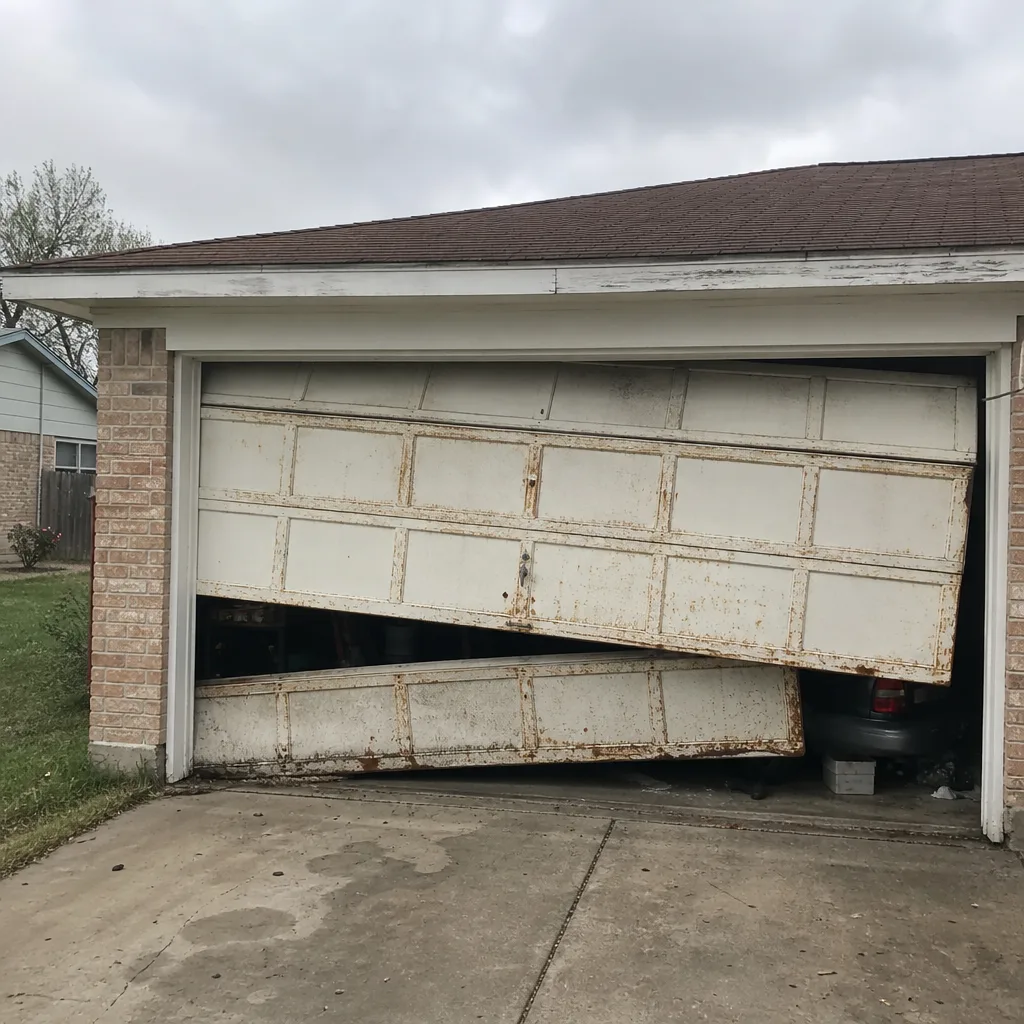 Before
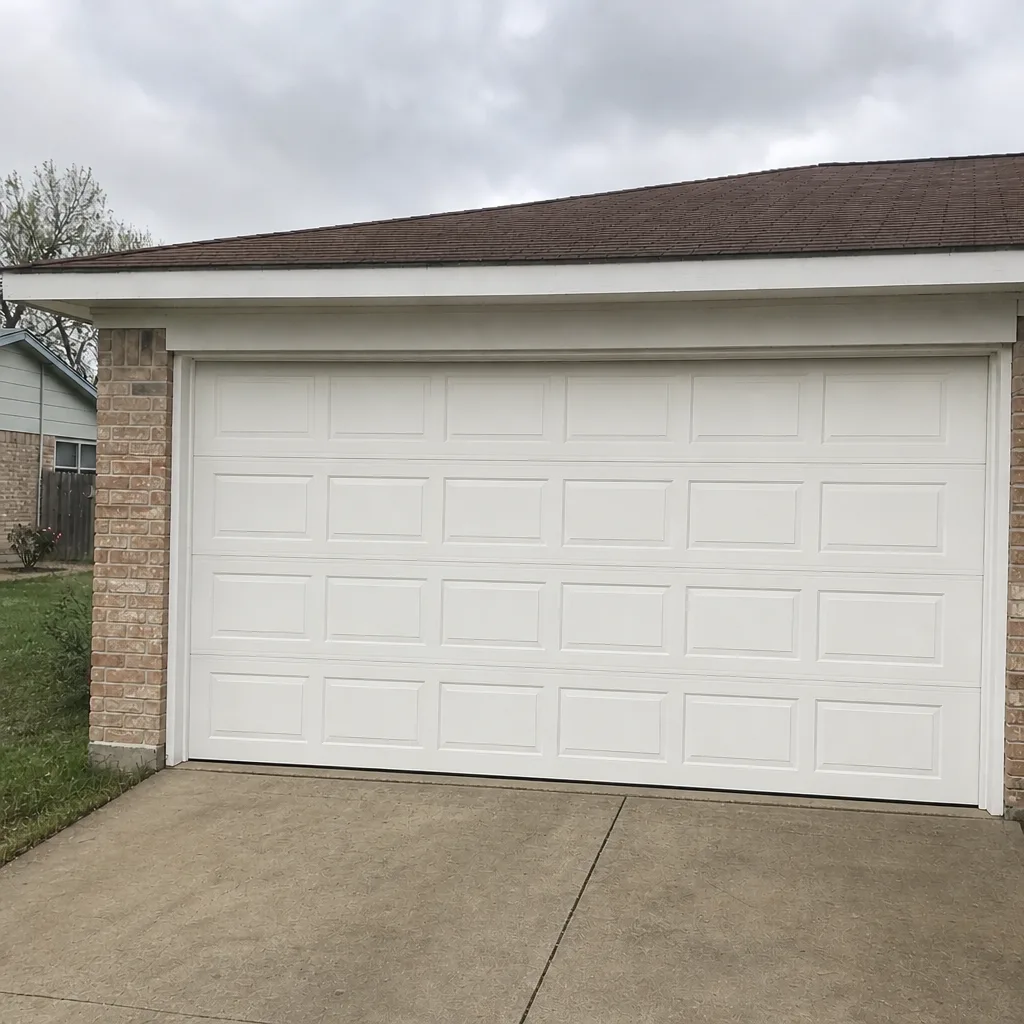 After
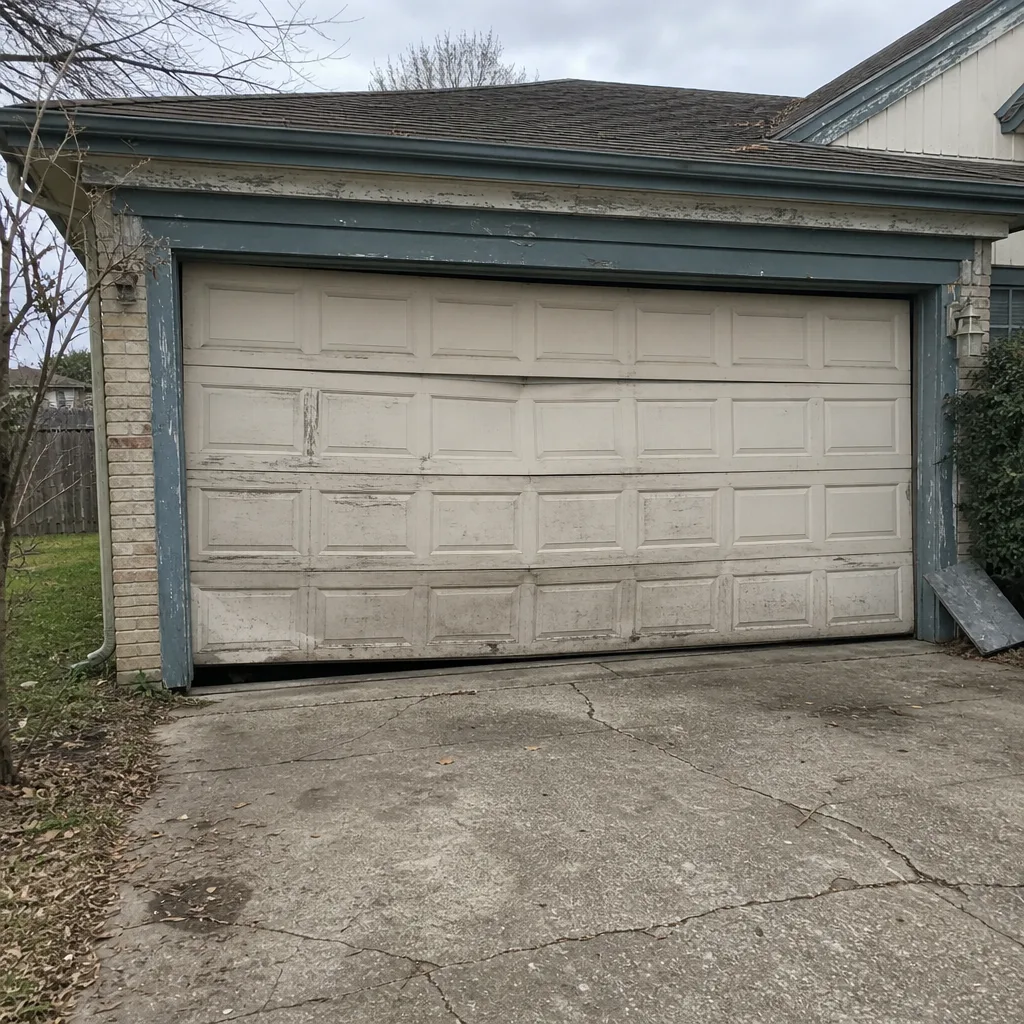 Before
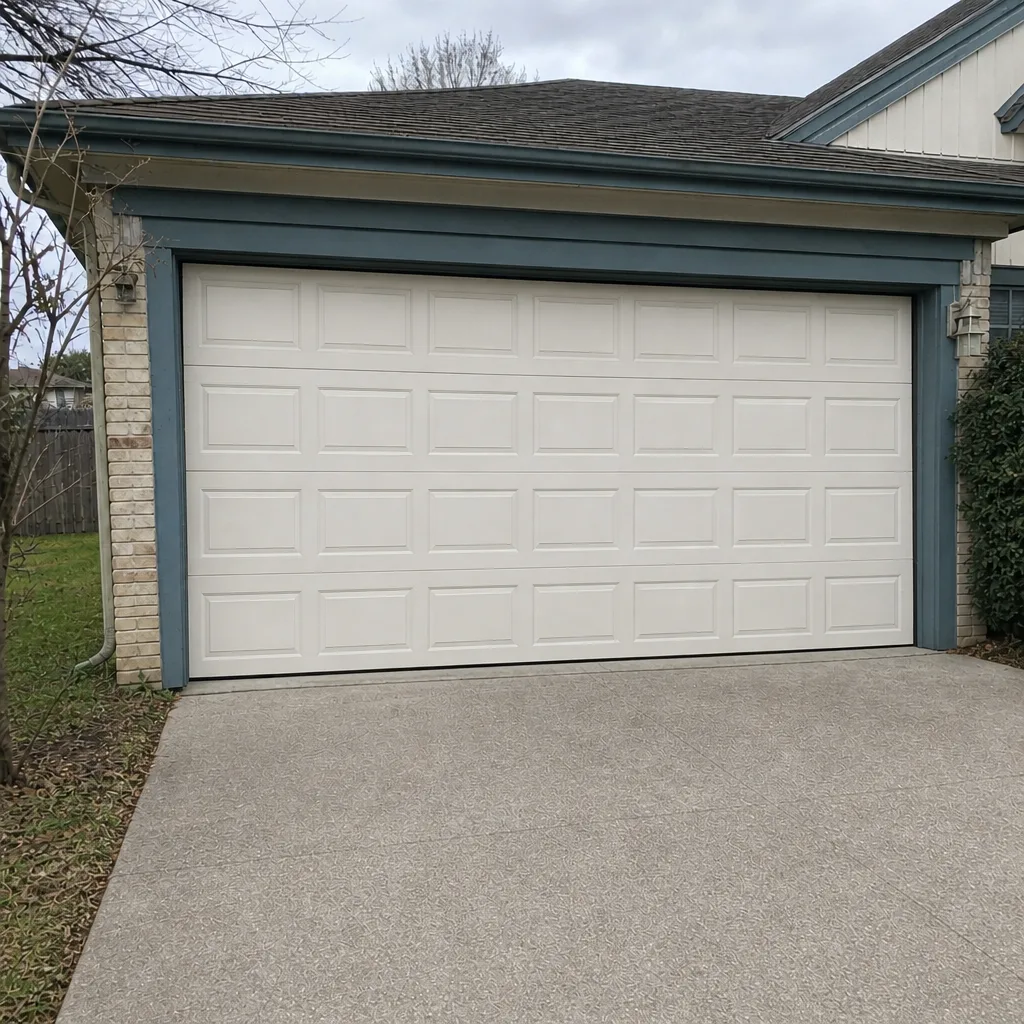 After
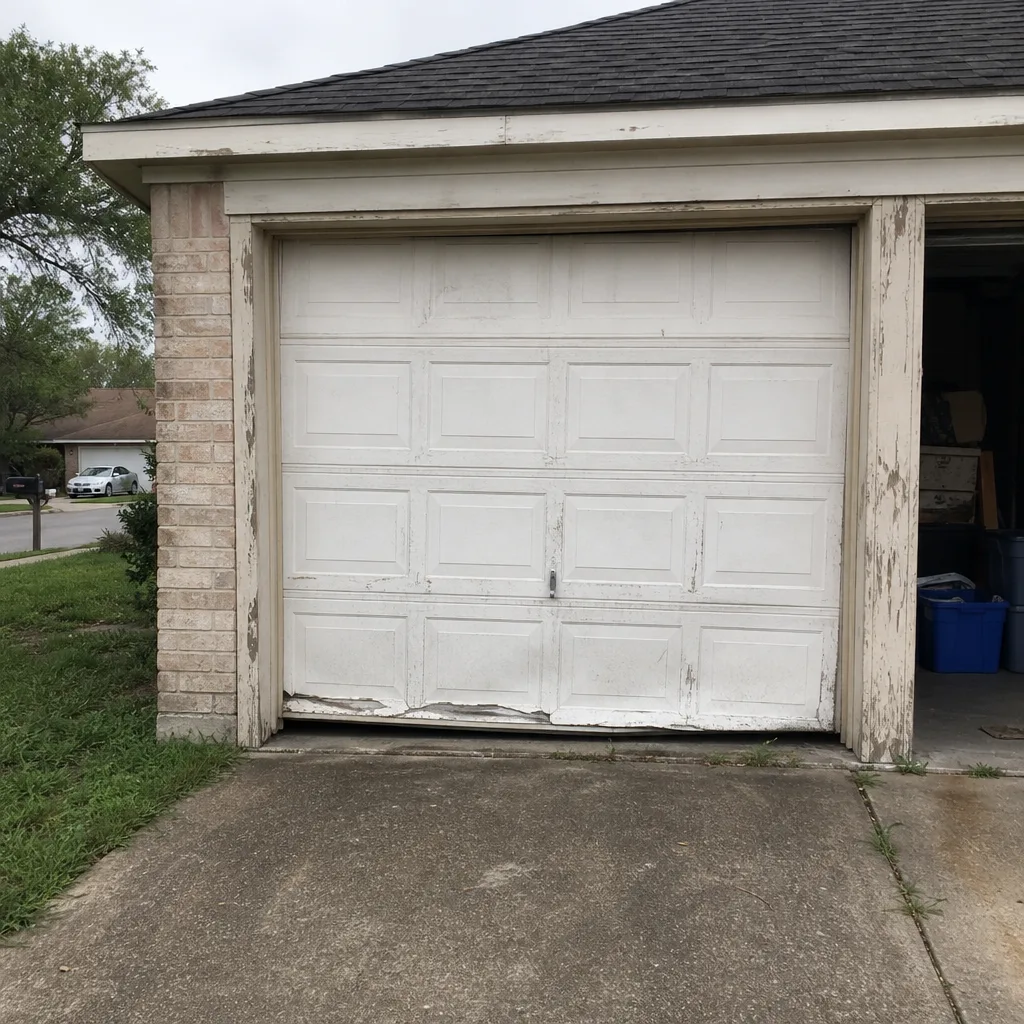 Before
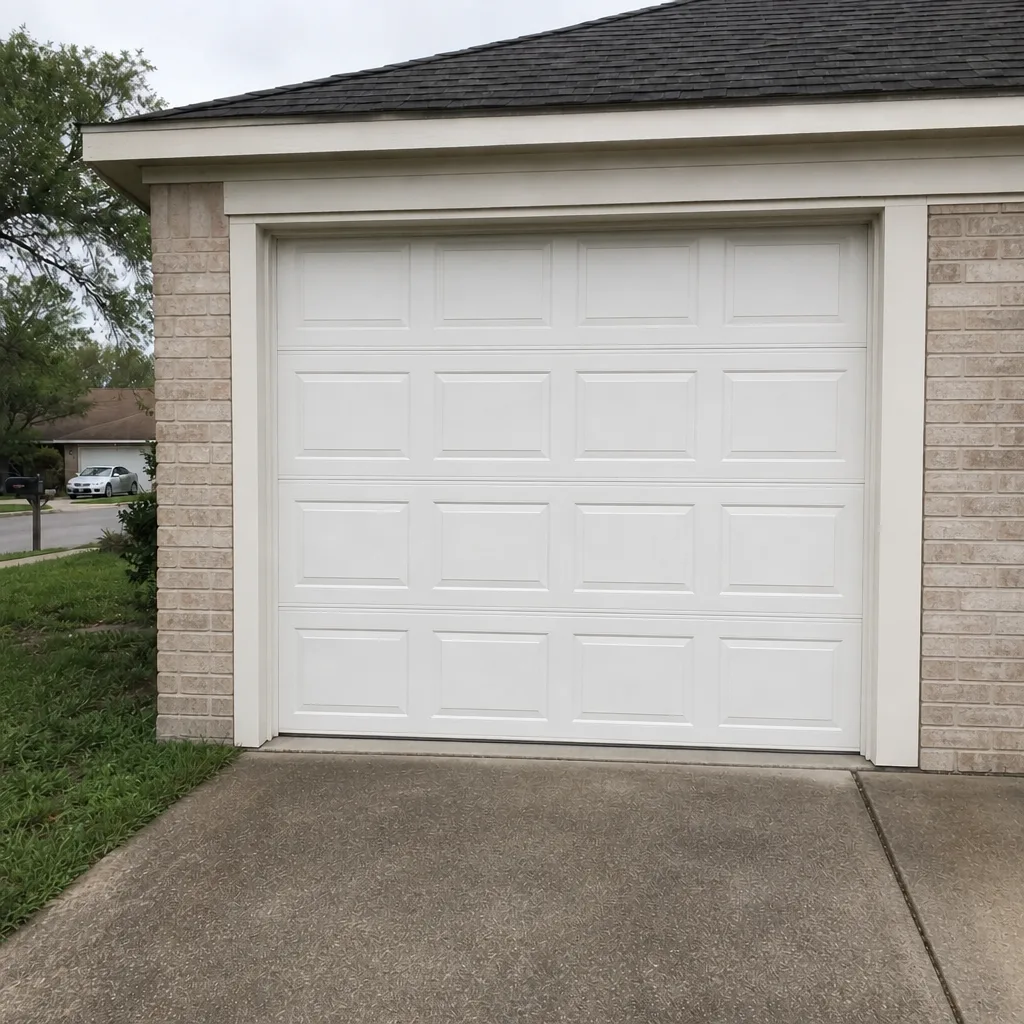 After
When to Call a Professional
Call a technician when the door won’t move smoothly by hand, when you see a gap or bow in a spring, when a cable looks frayed, or when the door comes off its track. Call if the opener reverses at random, trips its breaker, or stops partway, especially on the hottest weeks of the year. Call if a storm has left the door stuck open or the track bent. And call before a freeze if the door has been noisy or heavy all summer, because those are the doors that fail on the coldest morning. Pearland Garage Door Repair Pros offers free estimates in Pearland – call (844) 956-5614. We work on LiftMaster, Chamberlain, Genie, Clopay, Amarr, Wayne Dalton, Craftsman, and Raynor systems, and garage doors are the only trade we work in.
Frequently Asked Questions
Lubricate the moving parts at least twice a year, once before summer and once before winter, and more often if the door gets heavy use. Pearland’s heat and humidity dry out lubricant faster than a cooler climate would, so a spring and fall schedule works well here. Call (844) 956-5614 if you’d like us to check the door while we’re out – estimates are free.
Test the manual release, close and lock the door, clear the tracks, and check the seals for gaps. Also look at the springs and cables; if you see fraying or a gap, don’t run the door until a technician checks it. After the storm, inspect the track and seals, then run the door slowly and re-test the safety reverse.
Yes, and it’s more common than people expect because our winters are usually mild. A hard freeze thickens lubricant and stresses springs and seals that were never prepped. The preventive step is a late-fall lubricant and seal check, and the safe response to a stiff door is to stop using it and call for a diagnosis.
A seasonal inspection is typically included with a repair visit or quoted as a small standalone service, and the written estimate sets the final price before any work starts. If the inspection turns up a repair like a seal, roller, or spring, that’s quoted separately so you can decide. Call (844) 956-5614 for an exact quote – estimates are free.
No. We quote and agree on the price before any work starts, and the written estimate is what you pay. If we find something extra while we’re on site, we stop and quote it separately so you decide whether to proceed. That’s how we handle every job in Pearland.
The local professionals we connect you with are licensed and insured as their state requires, and our technicians have up to 10 years of experience. We work across all eight major residential brands, so the diagnosis matches your specific door and opener. Call (844) 956-5614 to talk through what your door is doing.
The Bottom Line
Seasonal care in Pearland comes down to four moves: prep for heat and humidity before summer, secure and inspect around storm threats, check lubricant and seals before the first hard freeze, and use the spring and fall transitions to catch what the peak seasons left behind. Lubrication, clean seals, tested safety reverse, and a working manual release cover most of it. Springs, cables, tracks, and opener wiring belong to a trained technician, and treating them that way is the most important safety decision you’ll make all year. Build the monthly card into your routine and the door stops surprising you.
If you’d rather have a specialist look it over, Pearland Garage Door Repair Pros is here for the whole calendar. Whether it’s a broken spring, a failing opener, or a full replacement, we diagnose the right fix for your specific door and opener, and we can work with your insurer when a repair follows storm damage. Call (844) 956-5614 for a free estimate.
Written by the team at Pearland Garage Door Repair Pros.